Do you have to train to be a celebrant?
By Veronika Sophia Robinson
This is probably one of the first questions someone asks when they’re playing with the idea of a career in celebrancy. The short answer is: in the UK, no. Celebrancy, like the wedding and funeral industries, is (at the time of publishing this blog: December 2025) an unregulated industry. That means any old cowboy can set up and sell their wares. The question is: should they?

Celebrancy is ripe with stories of ceremonies ruined by incompetent celebrants. It’s heart-breaking because the people they are paid to serve will NEVER get that ceremony again.
As someone who has been officiating ceremonies for more than thirty years, and training celebrants since 2017, my advice is: give this profession the respect it deserves. It might look easy to stand up in front of an audience of wedding guests or congregation of mourners, but that doesn’t mean it is. Officiating a ceremony is a small part of the role. There are so many aspects to being a celebrant that to jump in, and be there to support people in their pivotal life stories, requires a full understanding of the role. And that’s not something you learn or pick up in two minutes or get off a quick online course or a two-day ‘turn up and get a certificate’ course. The standards for entering this profession should be rigorous, and led and maintained by those who have a long standing as celebrants (not those whose long background is in marketing or business and very little real-life celebrant experience).

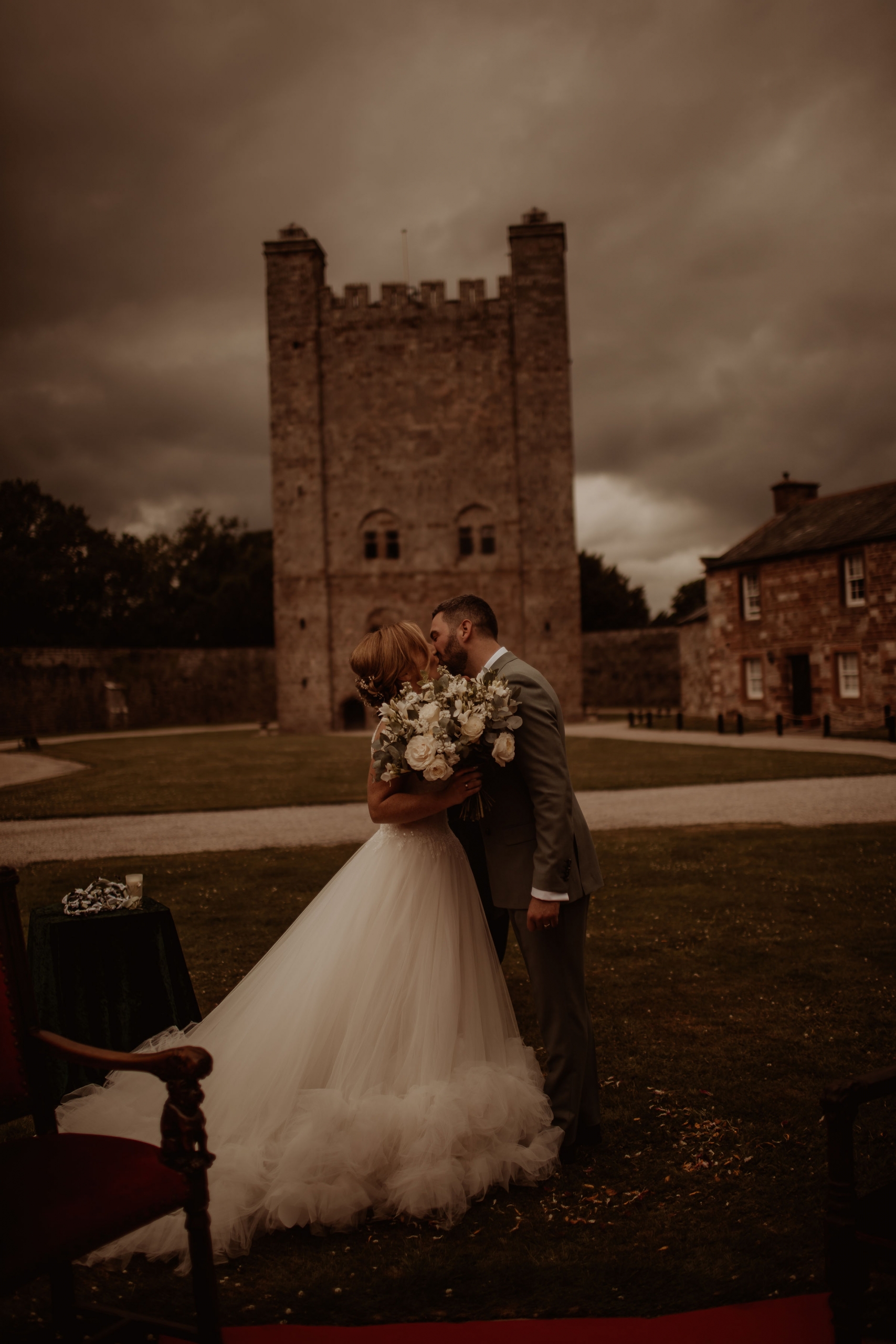
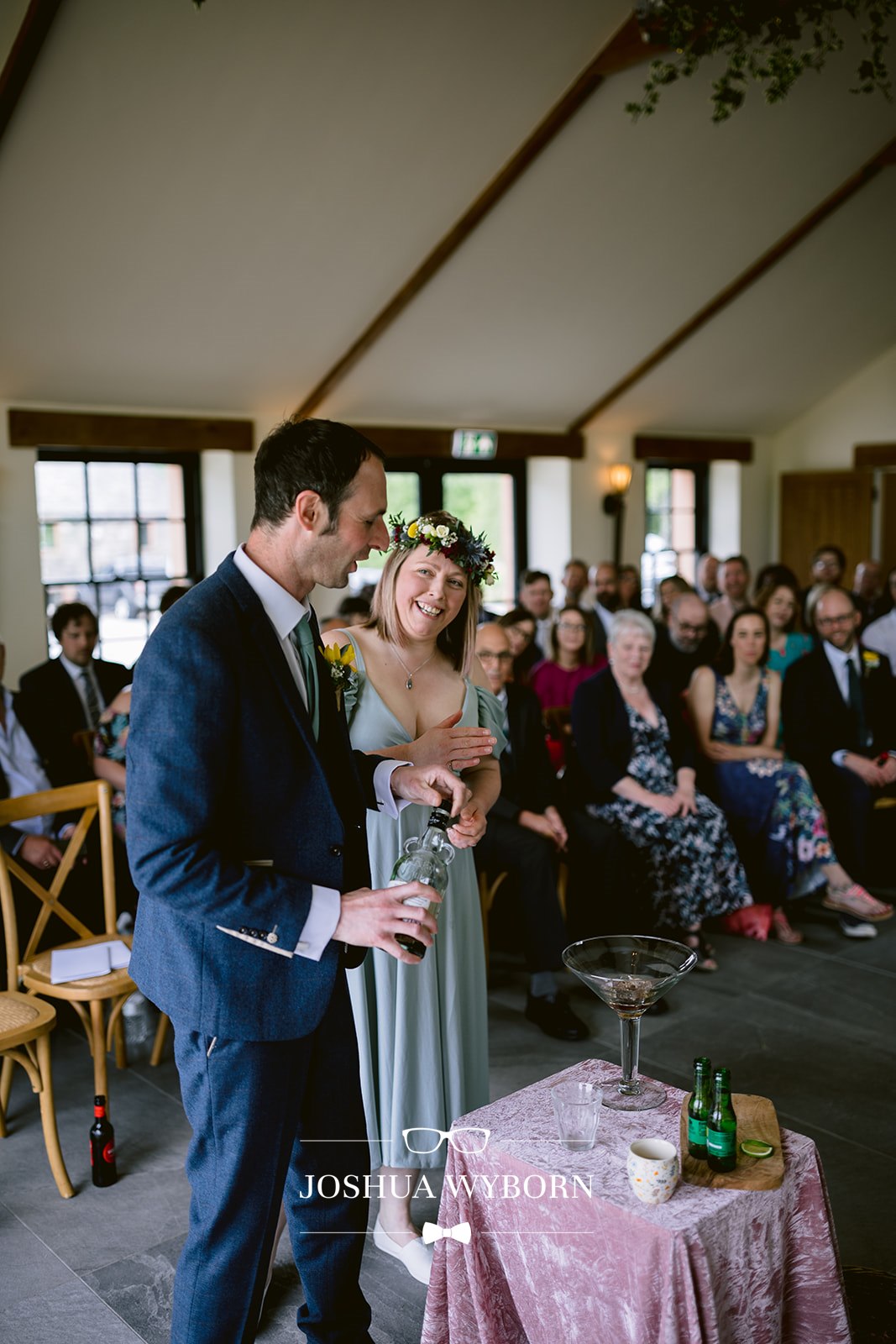
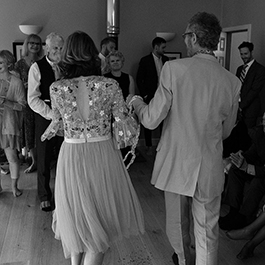
Veronika officiating Sarah and Ned’s Wedding
One thing I hear from our celebrant-training students (and they say this after the first couple of hours on day one!) is that they can’t believe how much is involved in the role, and that they really had no idea.
Sometimes a potential wedding client asks “Do we have to have a celebrant? Can we just get a friend to do the ceremony?” My response is: “Yes, your friend can do it for you. No problem. But you might want to think really carefully about whether that’s the best decision.” There is a world of difference between a friend officiating a ceremony and an expert skilled in holding the space, with experience in getting the words off the page, and guiding people through the liminal space of their ceremony. Do they have the skills to deal with the unexpected?
It might be tempting to skip celebrant training and tell yourself you’ll pick it up on the job. There’s nothing to stop you doing that but is it fair for people (mourners or wedding couples for example) to have their once-in-a-lifetime moment in the hands of someone who isn’t 100% clear about their role?
It’s not dissimilar to insurance. It’s not a matter of can you afford insurance? Can you afford not to have insurance?
Can you afford not to be a professional celebrant trained to an excellent standard?
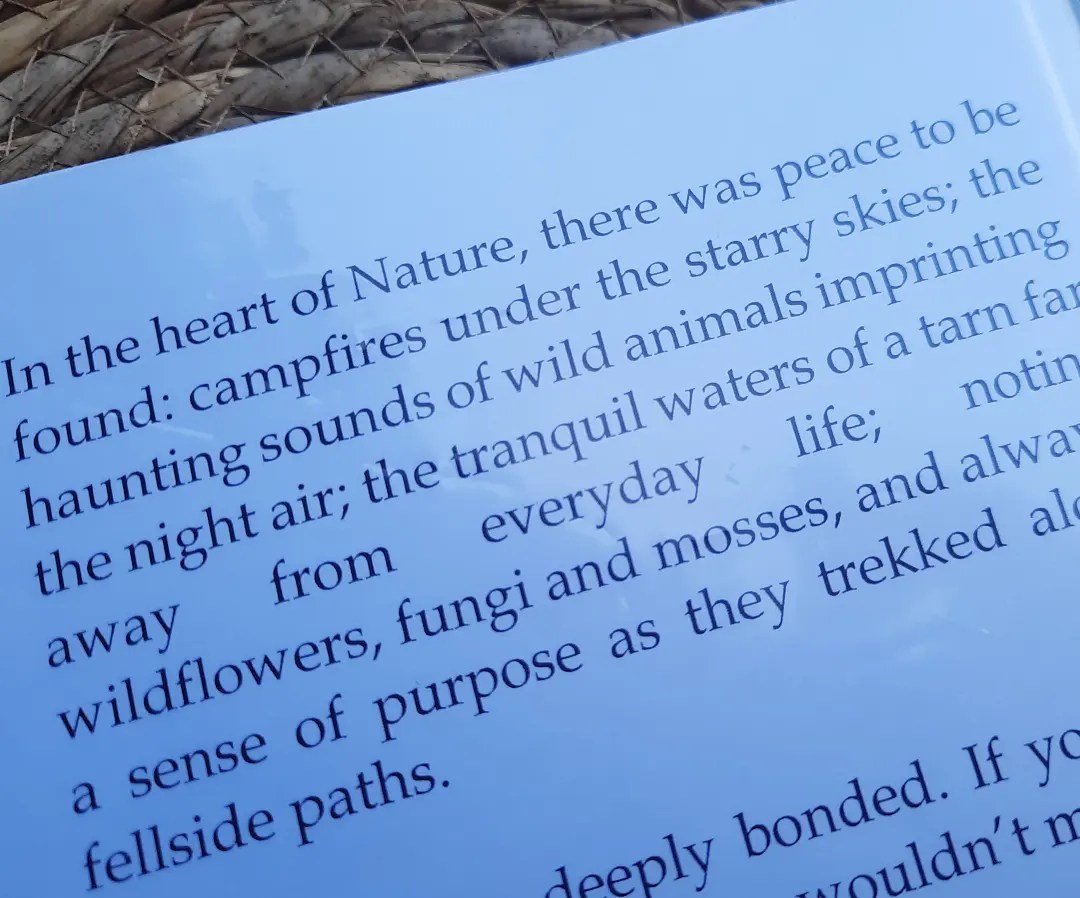
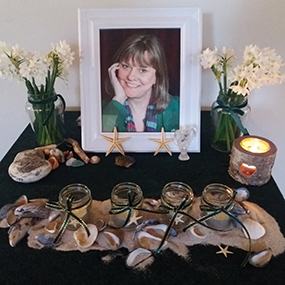
Extract from funeral script written by Veronika Robinson
What Google and AI Can’t Teach You About Being a Celebrant
I can, hand on heart, say that I’ve never outsourced the writing and creation of a single ceremony script to another celebrant or used AI to write one. It is becoming increasingly common for celebrants to engage in such a practice. There’s also a new generation of celebrants who have chosen not to spend money and time on seeking suitable training, and have decided to use Google and AI to give them entry into this vocation/career. While, on one hand, I can understand someone who has been asked to officiate a friend’s wedding turning to the Internet for help (because, let’s face it, they have NO idea how much is involved in this job), what I can’t (at any level) understand is why someone would base their new career on gathering titbits of information that they can’t know to be accurate, authentic or based on adequate experience.
We’ve had quite a few people come to us for celebrant training who’ve actually trained elsewhere but felt something was ‘lacking’. They’ve described the differences as like ‘night and day’. Their previous courses, they said, were not much better than scrolling the ‘net.
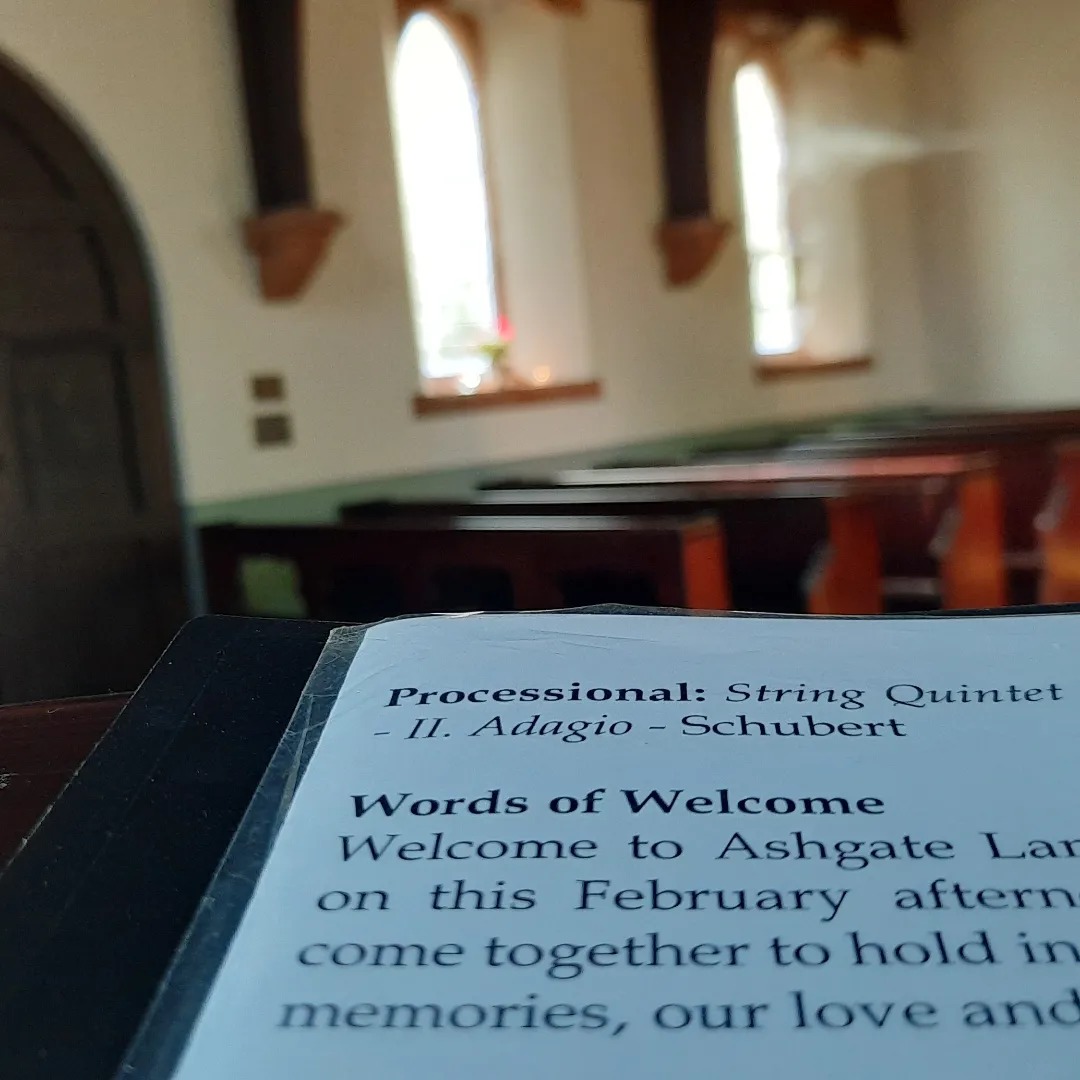
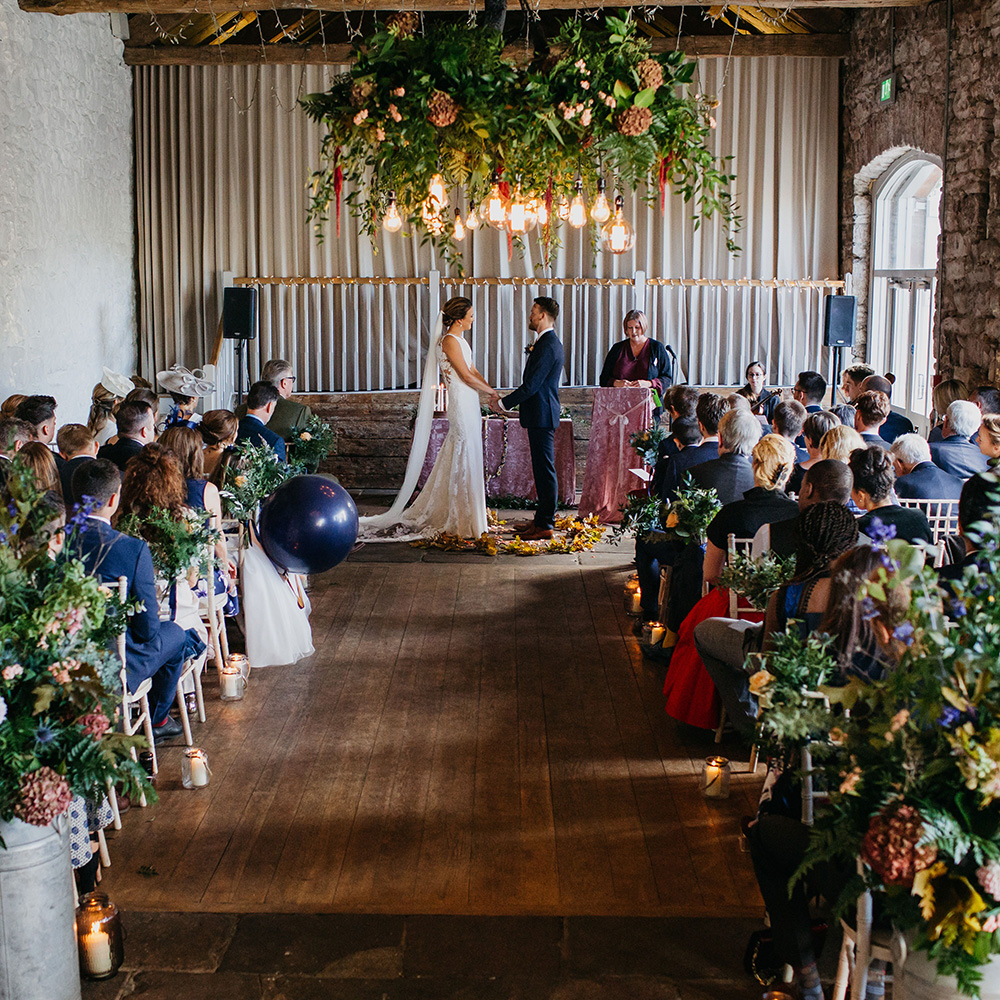
Veronika Robinson preparing to officiate a funeral at Ashgate Lane Cemetery Chapel
Here’s why Google (insert any other search engine) and AI won’t give you what you need for this role.
1. The key word here is ‘artificial’ (false, fake, faux, counterfeit, etc.) By choosing that route (to save time, money, or other) you are not getting the lived experience of someone who has successfully mastered the art and craft of celebrancy.
2. AI and Google will not show, demonstrate and explain the nuances of working with clients (especially ones who may be particularly challenging, for whatever reason) and how you navigate these relationships with care, compassion, understanding and expertise.
3. Any celebrant worth their salt will not be putting up well-written, beautiful bespoke scripts online so how the heck would AI the Poacher know what one looks like? The content of ‘order of service’ examples online is laughable, to say the least.
4. How does AI the Poacher (and his bestie Google) teach you how to use your voice to its best advantage, and guide you through learning presence over performance? There’s no point asking your partner or family member to give you feedback on your script or presentation because they don’t know what to look for.
5. Will AI and G-boy, rigorously go through your training scripts (like I do) and highlight all the areas which need improving? Do they know all the behind-the-scenes work involved in this job? Will they teach you what’s required to work in a crematorium, other chapel or burial ground; and how to seamlessly work with bereavement staff and funeral directors? Will they show you the ‘journey to ceremony’ regardless of the rite of passage? Do they understand the sensitivity required for working with the bereaved? No, no, no and no.
6. A and G have no ‘intelligence’ (emotional or otherwise) about the etiquette and practices required in this role. I once read a book on how to be a funeral celebrant and nearly passed out when I saw that to be a funeral celebrant all you need is a printer, paper and laptop. Nowhere in the book was any of the information that takes weeks and months (indeed years) to learn. It’s not just about writing a script, but understanding the logistics of choreography in any ceremony.
7. There’s a new trend in celebrancy for ‘unscripted ceremonies’. That’s all very well, but what about accountability? Even with a script, there are many, many tales of celebrants getting things wrong (because they didn’t show the client the script and have it approved or didn’t save the latest draft that was approved). You’re opening yourself up to a potential law suit if you don’t take responsibility for what you create and deliver. The only reason a scripted ceremony might be considered ‘boring’ is because the celebrant is unfamiliar with what they’ve written (that is, hasn’t rehearsed it many times) or it is poorly written. If the celebrant is enthusiastic about sharing the ceremony, that will shine through.
8. If you want to avoid the rigour which comes from excellent training (like ours, at Heart-led Celebrants), then you won’t last long with clients. They are, in effect, your employers. Your job is to take direction. If you’re unable to receive honest and open feedback from a celebrant trainer, then the day a client ‘tears your script apart’ will knock your confidence in ways you couldn’t imagine.
9. When I train someone to be a celebrant, I see their journey as a student akin to that of an apprenticeship. They are taking time to learn from someone who has spent years (and thousands of ceremonies) mastering their craft. They have seven-day-a-week access to tutor support, guidance and mentoring to help them on this path. As a trainer, I am invested in someone’s learning. I want the best for them, and I also care about their future clients. Do you think A and G will be by your side when you’re officiating your first funeral for a baby or a death by suicide? Will they be there when the bride is having an emotional breakdown in the minutes before her ceremony? Will A and G teach you the hundreds of small details that become part of an experienced celebrant’s ‘muscle memory’ of what does and doesn’t work? Will they be there for you when you’re heading off to officiate a funeral on the day one of your loved ones has died?
10. Your clients get one chance at their ceremony. Respect them enough to ensure you have the skills to know what you’re doing and the qualities to be a great celebrant. The latter has nothing to do with popularity or meaningless celebrant awards and has everything to do with professional integrity.
What you think you’re saving in time and money by choosing A and G over excellent training will cost you more in the long run. So much more. And not only that, it will impact every client you have.
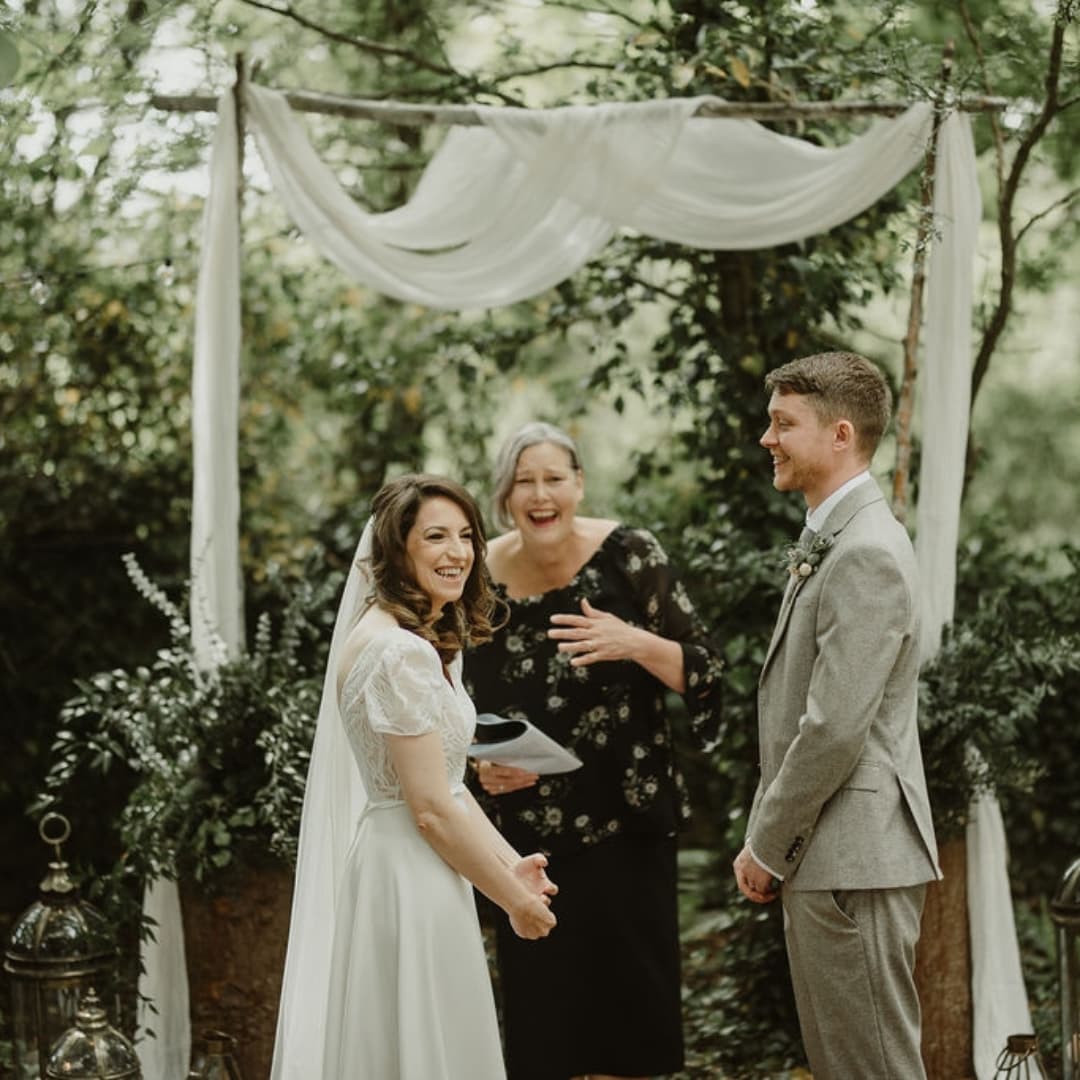
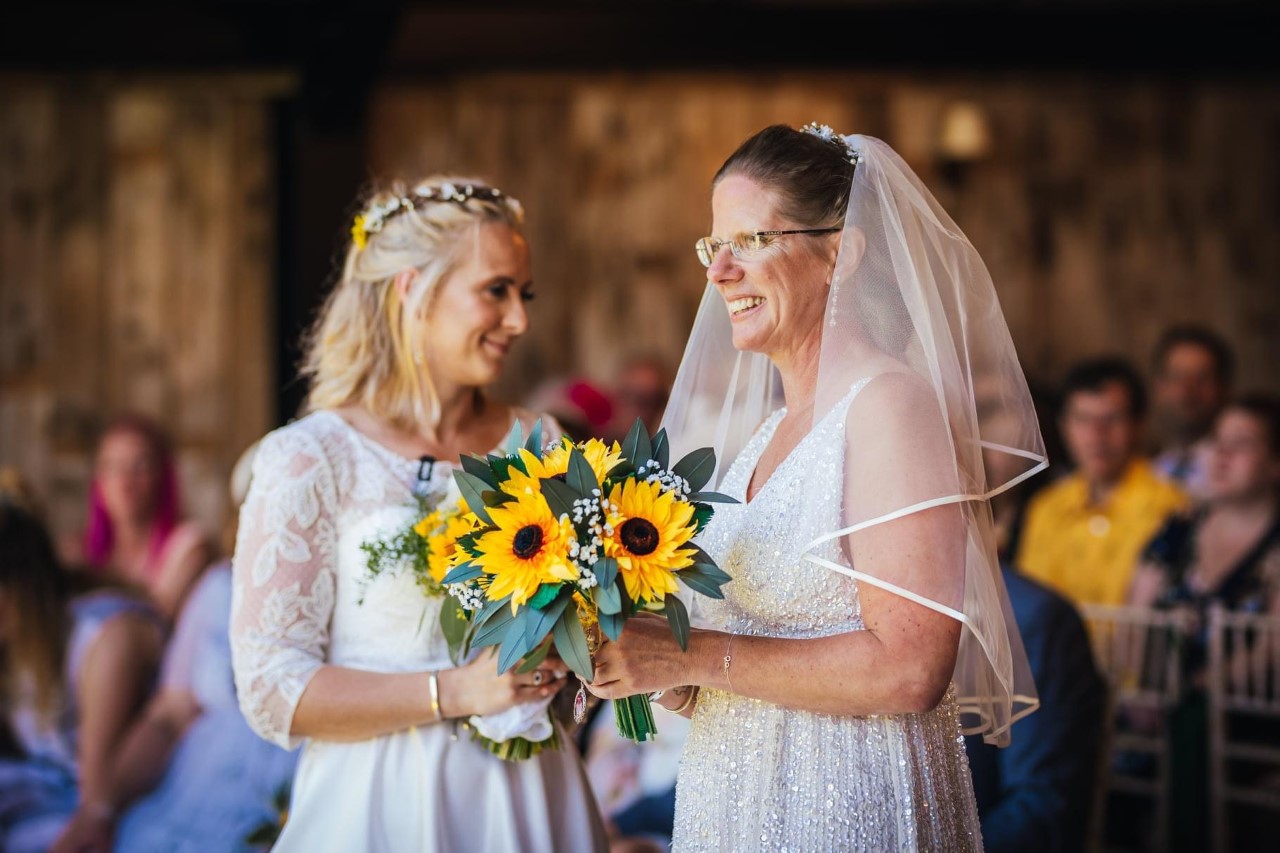
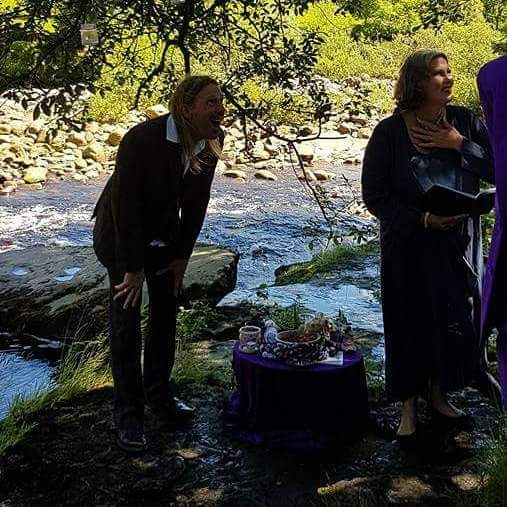
Veronika Robinson officiating at Emily and Ben’s woodland wedding at Low Hall The Lakes
Veronika Robinson and Paul Robinson are a husband and wife team whose boutique celebrant training Heart-led Celebrants attracts people from around the world. Heart-led Celebrants has earned a reputation for excellence in celebrant training, and those who are certified exemplify the highest standards in the industry.
We promise that our celebrant-training courses exceed what you’ll learn on NOCN courses.
Veronika has been a working celebrant (internationally, and across all rites of passage) for more than thirty years. She generously shares her experiences with celebrants-in-training. Veronika is the author of many books including the popular Celebrant Collection: Write That Eulogy; The Successful Celebrant; Funeral Celebrant Ceremony Planner; Wedding Celebrant Ceremony Planner; The Discrimination-free Celebrant; The Five Elements. She earned her Masters Degree in Creative Writing from University of Cumbria.
Award-winning voice artist, Paul Robinson, has had a whole career centred around his voice and other people’s. He’s highly experienced as a celebrant, trained actor, drama coach, voice-over artist, singer, broadcaster, compère, and ventriloquist. Paul is an excellent communicator and teacher, and has a sixth sense about how to relate to individuals, groups and audiences.