This piece came from a writing prompt on ‘heritage’, and weaves in my Australian childhood, German ancestry, and life as a funeral celebrant in Cumbria.
The Bloodline of the Threshold
© Veronika Sophia Robinson
Year upon year has been spent
walking the wind-eroded borders of other people’s grief.
A weaver of word medicine
standing in the silent spaces
where life has slipped away.
These hands have become well-practised
at cradling
the heavy, bruises of a sudden ending,
guiding families through the raw and ragged thresholds of loss.
This devotion always felt like a path carved
solely out of personal, soul-led intention.
But blood bears its own memory.
History was waiting,
written in the indelible ink of a distant shore.
A legacy of lands rests within these bones.
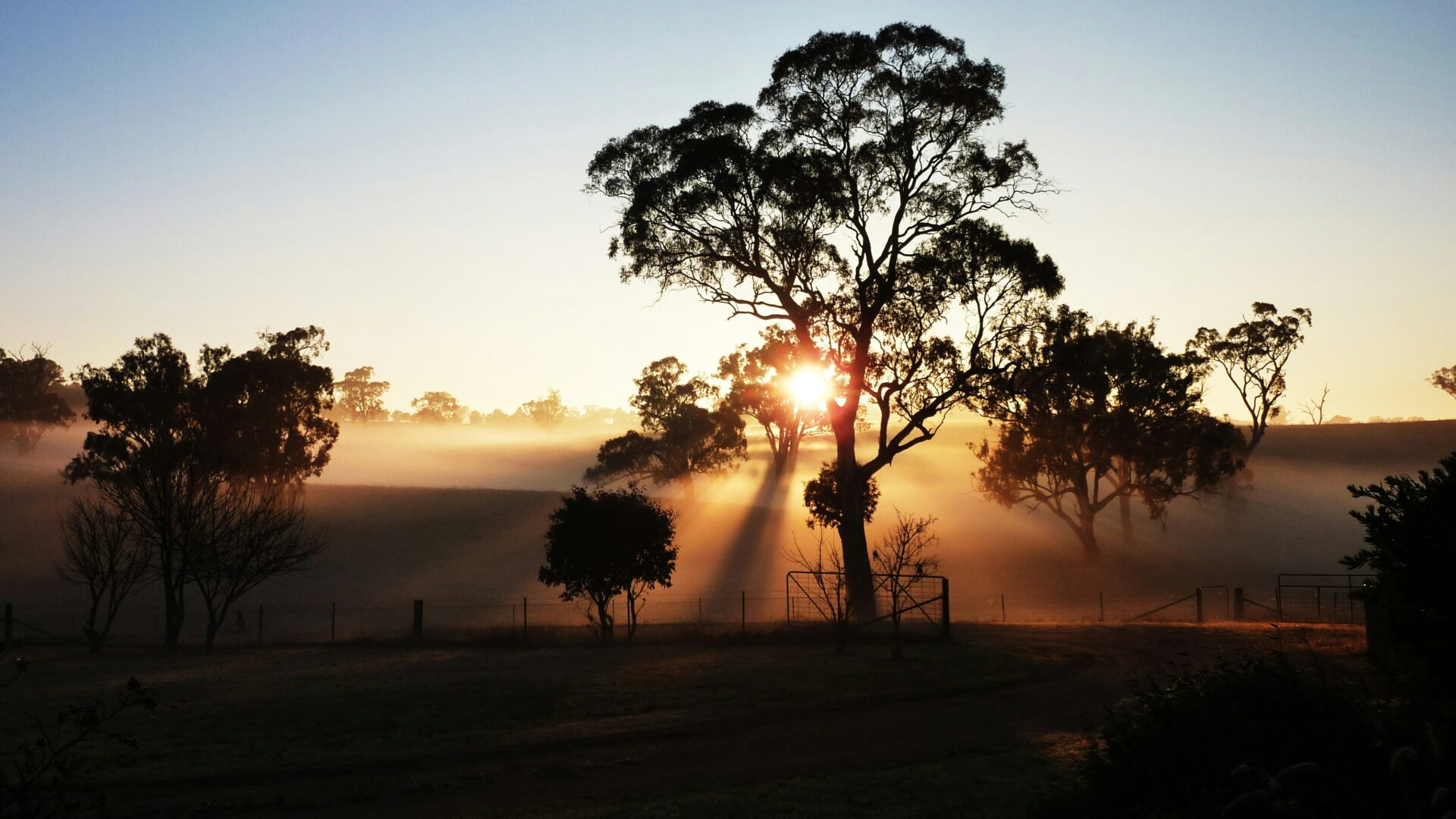
A childhood shaped by the sun-baked earth
of an Australian home,
filled with the song of fresh-water creeks
and the soft, silver shimmer of eucalyptus-clad mountains.
Woven deep in the heart, wherever I roam,
This is my heritage, this is my home.
Beneath the red sandstone of these northern Cumbrian hills
and the dust of that southern childhood,
lies an interior landscape belonging entirely to the Baltic coast.
When the archival vaults of Germany finally unsealed,
I held far more than cold dates on faded paper.
I heard a sacred, aching echo.
Deep within those pages stood my grandmother, Liselotte,
amidst the terrifying, relentless Winter of the 1940s:
World War Two.
Within a span of just four years,
as the world fractured and collapsed around her,
she endured the ultimate undoing.
Woven deep in the heart, wherever I roam,
This is my heritage, this is my home.
One by one, three of her babies
—Volkmar Frank, Rainer-Gerwin, and Ute Bärbel—
stayed for
only a heartbeat,
a day,
a few fleeting weeks,
before slipping back into the deep, dark earth.
To be the granddaughter
of such a woman
is to inherit a legacy forged
at the absolute edge of human endurance.
She lived through the quietest, deepest tragedies
under a war-torn sky,
and that survival is etched in my genes.
Woven deep in the heart, wherever I roam,
This is my heritage, this is my home.
Holding space for a grieving parent today,
or anchoring a soul in the stormy waters of loss,
is never a solitary act.
The emotional sanctuary I build for others
was created generations ago
in the fires of her resilience.
The eucalyptus mountains of my past
and the wild fells of the present
are bound together by my grandmother’s life and losses.
Woven deep in the heart, wherever I roam,
This is my heritage, this is my home.
There is a profound, cosmic geometry in this lineage.
Turning their backs on rigid, stone cathedrals,
my grandparents chose instead to look
to the sky and the soil for solace.
To them, the divine was alive
in the ancient, whispering beech forests of Germany
and the eternal turning of the Sun.
When my mother was born into that wild, Pagan landscape,
they named her Dagmar: meaning Joy of the Land.
This is the medicine running through these veins:
a heritage that knows
how to find beauty in the bruise,
how to honour a passing without conventional scripts,
and how to trust the natural laws of renewal.
Woven deep in the heart, wherever I roam,
This is my heritage, this is my home.
My German ancestry lives within
distant geographic facts,
yet stands on an ancient, subterranean strength.
Whenever I step into the fresh northern air
to weave a conscious ritual for the living or the dead
it allows my grandmother’s unspoken sorrow
to transform into a healing narrative.
From the ancient southern lands of my birth
to the Cumbrian fells of now,
the path she cleared through the dark
remains open,
keeping the circle unbroken.
Woven deep in the heart, wherever I roam,
This is my heritage, this is my home.
Leave a Reply
Want to join the discussion?Feel free to contribute!