

For centuries, storytelling has been dominated by a singular, rigid structure: the linear quest. We’re taught to expect a solitary hero who leaves home, conquers an external enemy, and returns triumphant. This formula drives thriller novels, epic fantasy, and classic sci-fi alike. Yet, for writers of magical feminism, this traditional framework often feels restrictive. When we weave ordinary life with the supernatural to explore women’s inner worlds, the old formulas break down. The plot must bend to accommodate a different kind of truth. Distinct structural shifts separate magical feminism from conventional genres.

Recently, someone commented on my chapters being almost ‘stand alone’ and not continuing chronologically. For someone new to the genre of magical feminism, it might seem odd. Standard fiction relies heavily on a strict timeline where one event leads directly to the next. Magical feminism rejects this linear constraint, opting instead for cyclical or ancestral time. The past, present, and future breathe together in the same room. A grandmother’s childhood trauma might manifest physically in her granddaughter’s kitchen, disrupting the ticking of the clock. This way of writing allows us to show that healing is rarely a straight line; it is a spiral that loops back to ancestral roots.
The climax of a typical adventure novel usually features a final showdown between a protagonist and a villain. Magical feminism pulls away from this isolated struggle. Instead, the narrative tension builds toward a moment of shared realisation. Resolution comes when women share their hidden truths. They find resolution or peace when they pool their inherited wisdom. Sometimes, it is found when they unite to break a long-standing generational curse. The narrative arc values community over individual conquest.
Epic genres have characters who travel to distant worlds or massive battlefields to find high stakes. Magical feminism locates the epic within the boundaries of everyday life. The kitchen table, the garden patch, and the birthing room become the arenas where cosmic forces play out. Everyday acts like baking bread, stitching fabric, or tending soil carry profound narrative weight. By centring the plot here, the genre honours spaces that society has historically sidelined.

In fantasy and science fiction, characters spend significant time learning the rules of magic, constructing lore, or seeking logical explanations for the impossible. Magical feminism bypasses these explanations completely. When a character converses with a ghost or levitates above her bed or (in the case of my novel, Grandmother’s Button Tin, hears stories through buttons, bobbins, thimbles and thread; or The Soapmaker, the botanical ingredients, loved ones who’ve passed over), the narrative accepts this as a natural layer of reality. The characters don’t pause the story to investigate the mechanics of the miracle. This allows the momentum of the plot to focus on emotional truth rather than world-building mechanics.
A traditional ending often delivers a neat conclusion, such as a defeated enemy or a perfect marriage. Magical feminism favours endings rooted in endurance and metamorphosis. Sometimes, the oppressive forces in the outside world remain at the final page. The victory lies in the internal autonomy the characters have claimed or reclaimed. Survival itself becomes the ultimate resolution.

Traditional genre fiction frequently builds authority through ancient texts, formal prophecies, and masculine systems of law. Magical feminism shifts this narrative authority into oral histories, bodily intuition, and whispered folklore. Spells are woven through stories, incantations, recipes, and nursery rhymes passed down through maternal lines. This structural shift allows characters to reclaim their voices, reshaping the wider world through the language of the marginalised.
Standard narratives tend to compartmentalise human experience, separating physical discomfort from spiritual enlightenment. Magical feminism weaves these elements together, allowing the messiness of female biology to sit comfortably alongside the sublime. Blood, childbirth, and aging are treated as sites of profound magical potential rather than things to be hidden away. This structural honesty grounds the supernatural, making the surreal elements feel deeply connected to the flesh.
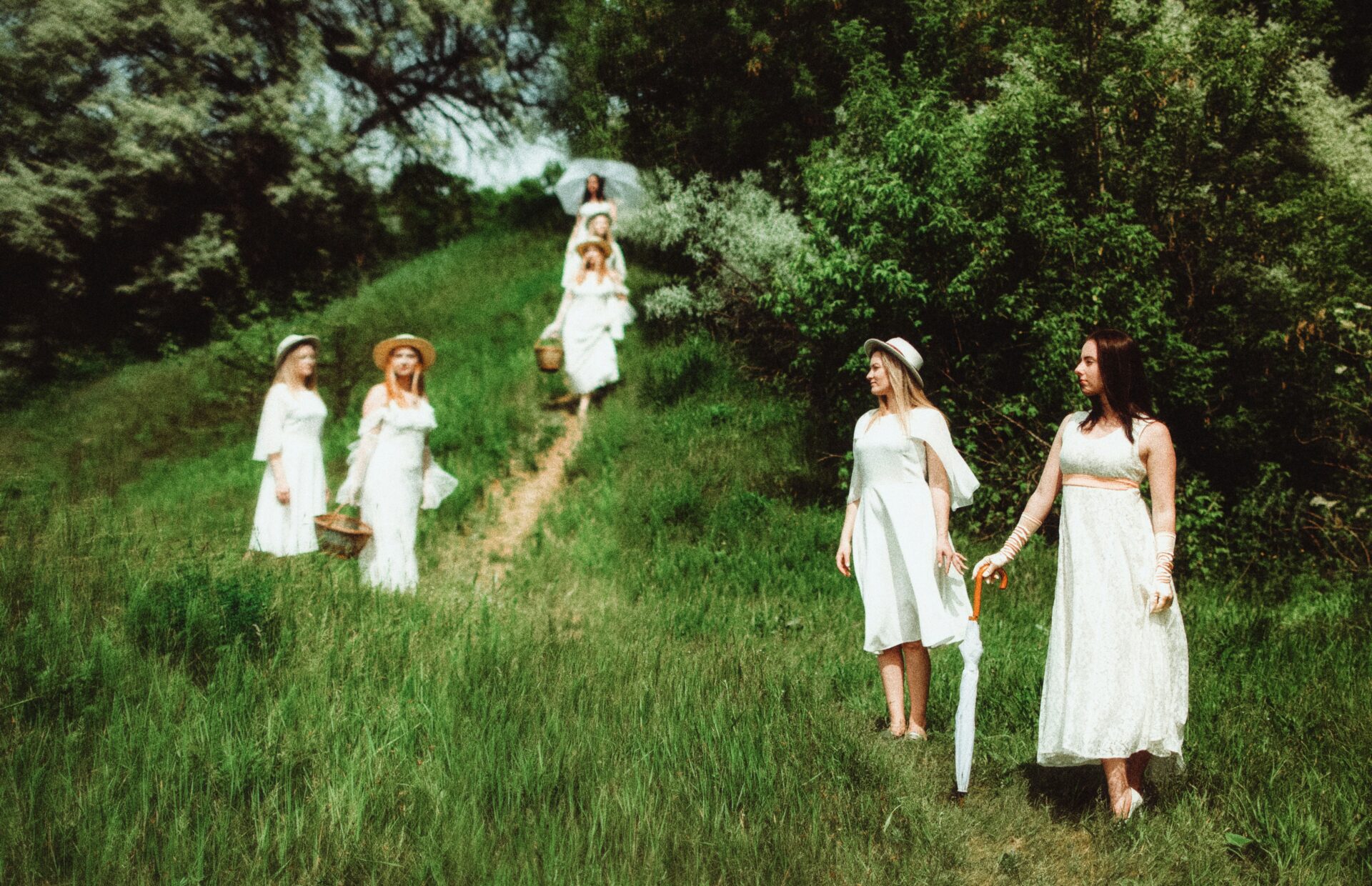
As writers, embracing these styles requires a willingness to unlearn the rigid rules of conventional commercial fiction. We must trust that a reader can find deep satisfaction in a story that prioritises emotional evolution over physical combat. By stepping away from the traditional hero’s journey, we open up a rich, expansive territory where magic and truth walk hand in hand.



Leave a Reply
Want to join the discussion?Feel free to contribute!