If you (or someone you know) has had your home or business damaged in the recent Cumbria floods, and find yourself having to organise a funeral for a loved one (regardless of cause of death), I would like to offer my services (free of charge) as a funeral celebrant.
I create, write & officiate personalised ceremonies, and can work with you whether you’re planning a DIY funeral/memorial or you’re liaising with a funeral director.
If the funeral is for a child, I can refer you to the Child Funeral Charity to ensure you receive a grant towards funeral costs.
I am based near Penrith, and will officiate up to 50 miles from here (roads permitting).
I’m a member of the Association of Independent Celebrants. If I can be of service to you, or someone in your community, please get in touch.
https://veronikarobinson.com/wp-content/uploads/2025/04/Updated-logo-colour.png00Veronika Sophia Robinsonhttps://veronikarobinson.com/wp-content/uploads/2025/04/Updated-logo-colour.pngVeronika Sophia Robinson2015-12-11 08:32:222015-12-11 08:32:22Do you need a funeral celebrant? Help for Cumbrian flood victims
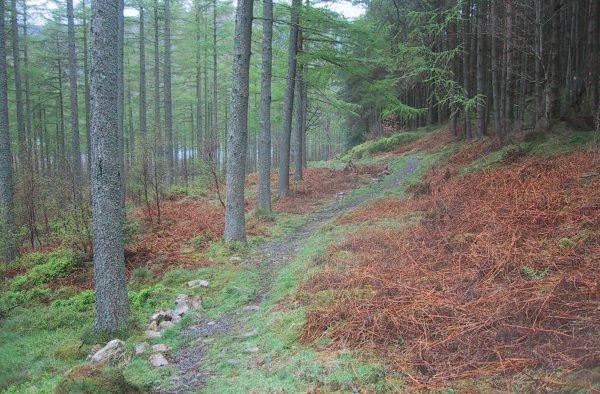
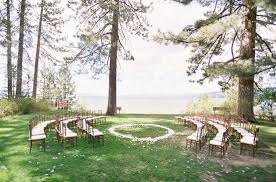
For 17 years I have been blessed to live in gorgeous Cumbria. Although Australian born and raised, this part of the world has stolen a place in my heart. From the gentle bosom-like fells to the dramatic Lake District hills, forests, streams, tarns, lakes and meadows, this part of the world offers so many beautiful places for a couple to take their wedding vows.
Do you want to get married:
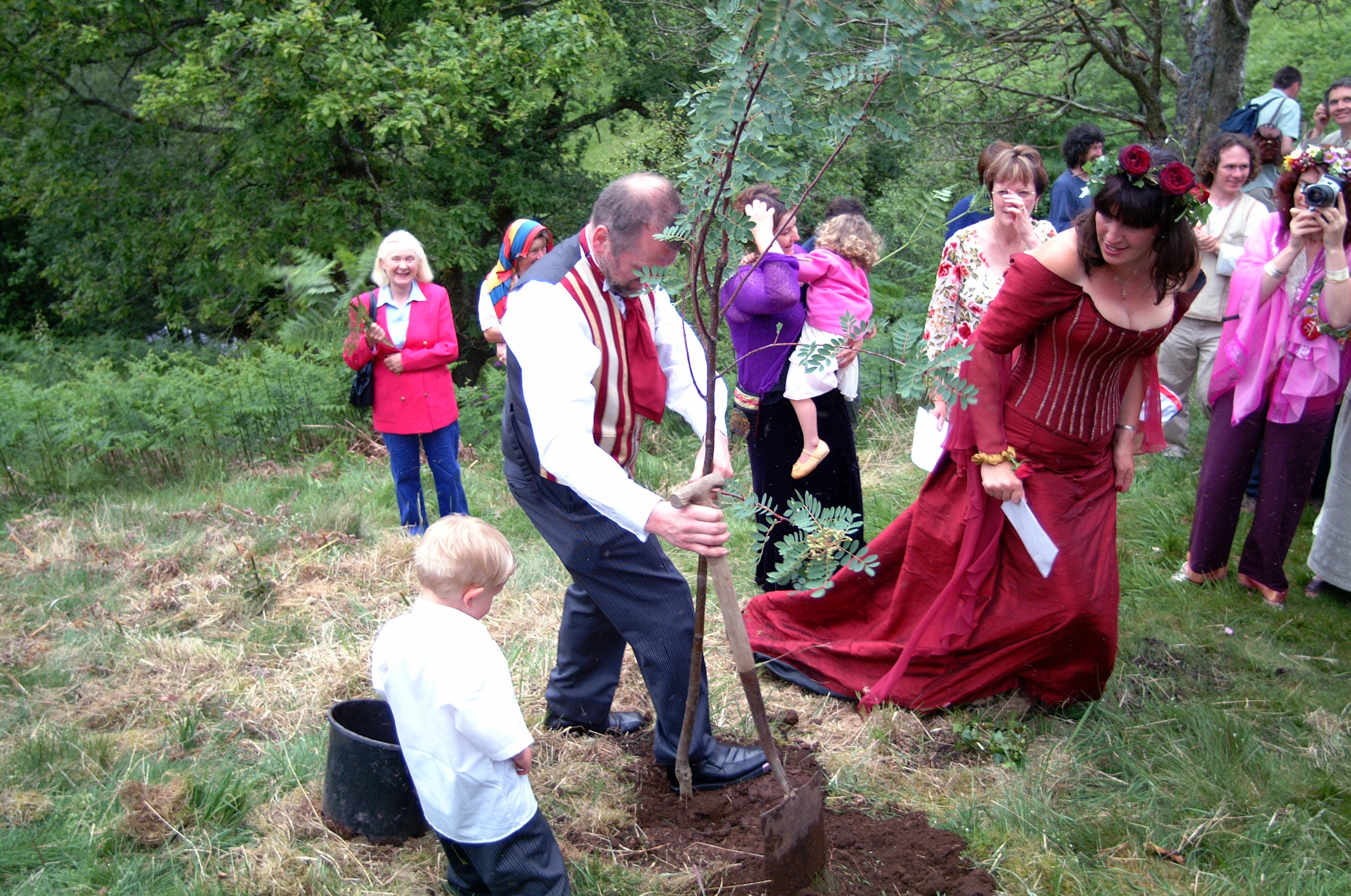
At sunrise on the Summer Solstice? Beneath the stars on New Year’s Eve? In an apple orchard? Barefoot on the beach? In an ancient woodland?
In a luxury hotel? An old stone chapel? By the fireplace in a converted barn?
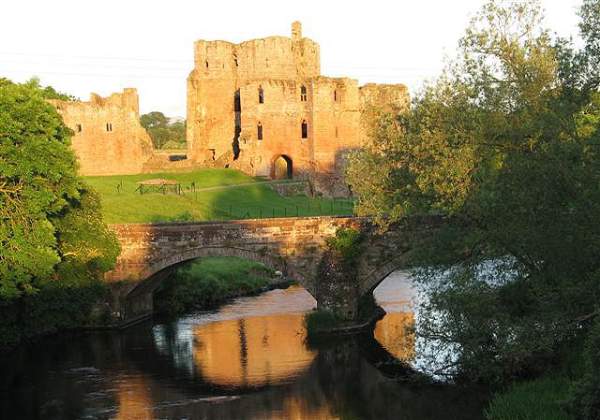
In a candlelit labyrinth? Inside an old castle?
On a boat? In a wildflower meadow? At a Druid’s stone circle?
As an independent celebrant, I am free to marry you any time, and at the place of your dreams.
Why choose me as a celebrant?
I offer personalised, heart-felt ceremonies created, written & officiated especially for you. I’m a specialist in ritual, & have been officiating weddings since 1995.
For as long as I can remember, I have always felt a sense of respect for ceremonies and rituals which honour the human spirit. Having officiated across three countries, for more than twenty years, I am skilled at bringing purpose and intention to each ceremony.
My role is to seamlessly create a sacred space, and I do so practically and intuitively using a sense of craft and pace. I am there to hold the energy, and to offer structure.
I trained as a celebrant at Unity Church, Auckland, New Zealand in the early 1990s, and have officiated ceremonies in all manner of places, such as a Maori Marae in New Zealand, public gardens in New Zealand and Australia, Ironage replica roundhouse, bushlands, meadow, private gardens, by a river, public and private buildings, and a stone circle in Yorkshire.
If you’re planning to get married in Cumbria, but live overseas or in another county, that’s no problem at all. We can use Skype to ensure all your wedding plans for the ceremony come together seamlessly.
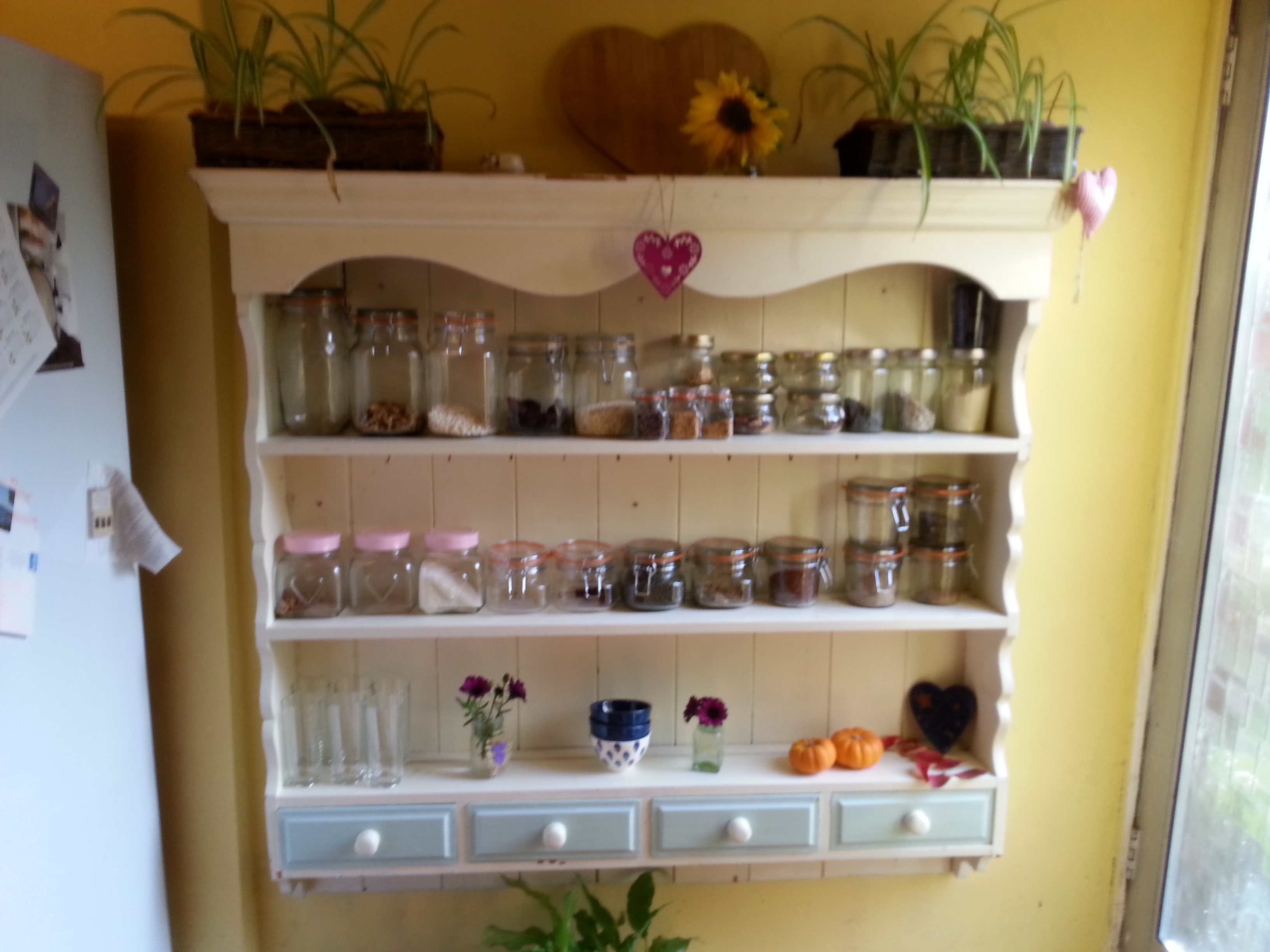
The kitchen, that sacred space where we prepare food to share with and nurture friends and family, has long been part of domesticated human culture.
It’s a grey, wet day here in Cumbria. In my oven is a delicious bread, free of flour and yeast, but based instead on seeds and nuts and psyllium husk powder.
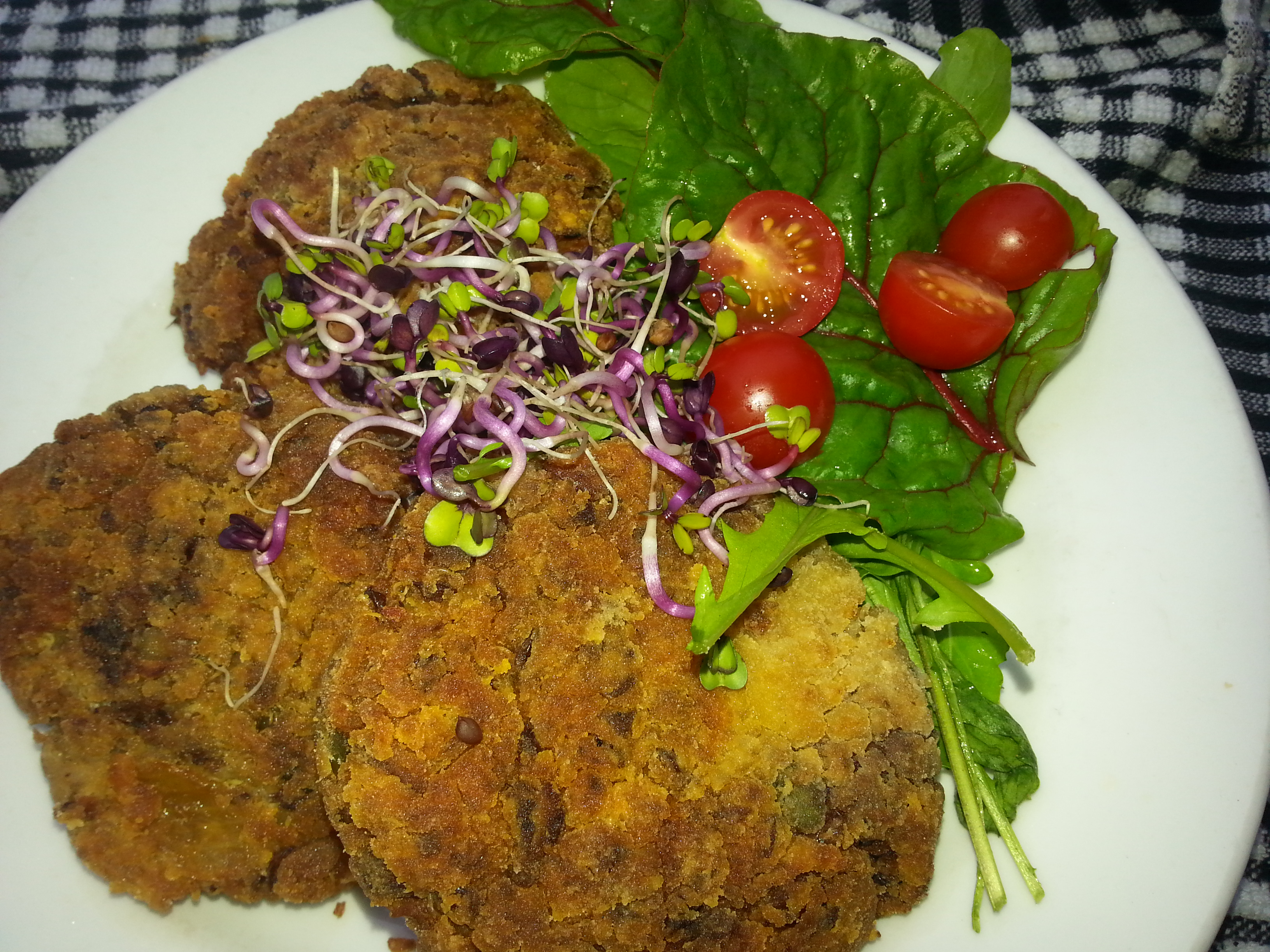
A glass bowl sits on the bench, with black beans soaking for dinner. I still haven’t decided what to do with them. They might become a Latin stew, or bean and sweet potato burgers. Maybe they’ll become a bean loaf or black-bean minestrone. I have no doubt the inspiration will come to me as the day unfolds gently before me.
The kettle has boiled, and I steep peppermint tea. The aroma fills the room and my heart melts as I listen to the classical music station play Pachabel’s Canon.
As a writer, many inspirational ideas come to me as I potter about in the kitchen. For some reason, my intuition kicks in and my mind is more receptive.
My teenage daughter has just made the most scrumptious lunch: chickpeas in a mashed base of sweet potato and dill on brown rice noodles.
For me, the kitchen is a place of visible sacred ceremony. It is here I come to honour and give reverence to the Earth and Sun and Moon for growing the plants which I’ll eat. Lovingly, I prepare my fruits and vegetables to feed my family. The kitchen is, for me, a play space, a work room, and a devotional altar to all that is good in this life.
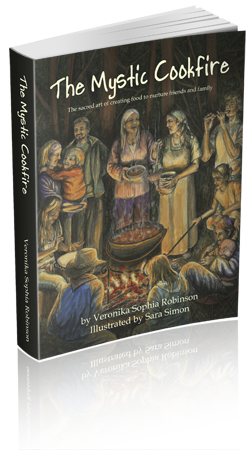
Veronika is the author of the popular recipe book: The Mystic Cookfire, the sacred art of creating food for friends and family (published by Starflower Press). She is currently writing Love From My Kitchen (more delicious plant-based recipes!), soon to be published by Starflower Press.
https://veronikarobinson.com/wp-content/uploads/2025/04/Updated-logo-colour.png00Veronika Sophia Robinsonhttps://veronikarobinson.com/wp-content/uploads/2025/04/Updated-logo-colour.pngVeronika Sophia Robinson2015-11-07 12:41:112015-11-07 12:41:11The Kitchen: heart of the home
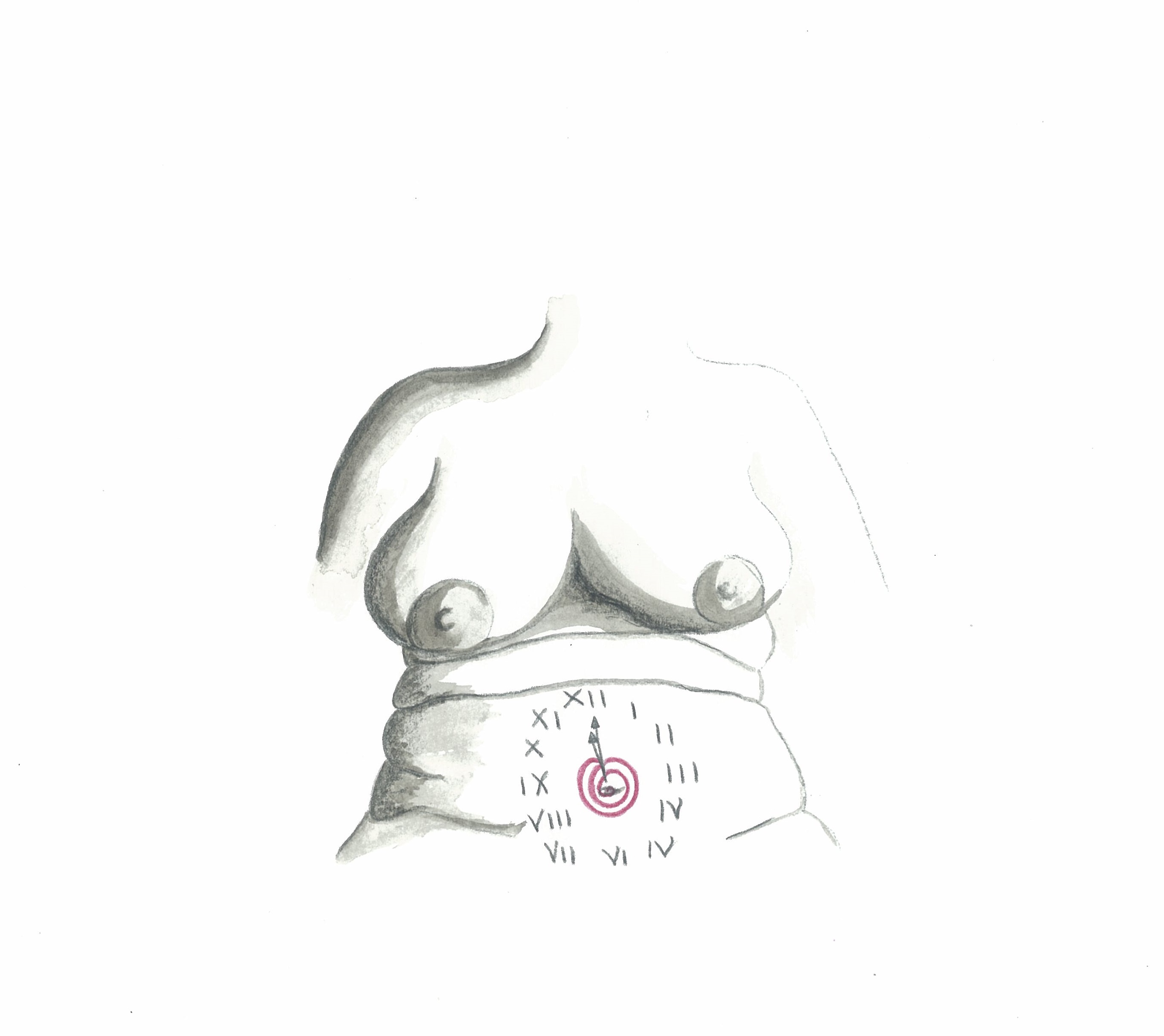
This week is Womb Awareness Week. If you don’t already, maybe this is a good time to develop some healthy and healing rituals around your body.
Cycle to the Moon: celebrating the menstrual trinity of menarche, menstruation and menopause, is my contribution to female health. Pick yourself up a copy on Amazon, or ask your local library to stock copies.
This book is based on workshops I’ve facilitated called Cycle to the Moon & Sacred Cycle. It is designed to help you explore your beliefs around your body and its cycles regardless of where you are on the menstrual trinity, as well as giving helpful tips and practical advice to make your experiences around Moon Blood more comfortable and enjoyable. Don’t forget to leave a review on Amazon or Good Reads.
If you’re new to the idea of celebrating Samhain, in the sense of honouring our ancestresses in a gentle, holistic way, rather than buying into the ghoulish commercial hype of fear-based Halloween, why not incorporate these simple ideas.
My favourite way is simply to take a walk in Nature. Here, all around us, is the story of birth, life, death. Nature returns unto herself. The leaves will once again become part of the soil from which they first originated as a tiny seed sprouting.
Breathe in the crisp, cool air. Smell woodsmoke. Listen to the sounds as your feet walk upon the leaves. What can you hear? How do you feel?
A Samhain Altar is a beautiful way to adorn your home with gifts from Nature. There are the obvious things like pumpkins, apples and corn, but you can also add acorns, plump rosehips and other gifts from your walk.
You could make a wreath for hanging over the hearth or at your front door.
Use plant-based or beeswax candles to bring light to the dark nights.
Collect photographs, memorabilia and heirlooms from your ancestors and ancestresses. You might like to include fresh rosemary stems to symbolise ‘remembrance’. I collect fresh rosemary from the garden, but also sprinkle the altar with essential oil of rosemary.
Light candles.
Stand with reverence before your ancestors. Say their names out loud. Express gratitude for their part in your life. The veil is thin at this time of the year. Stop and listen to the messages of loved ones who have passed over, whether or not you know their names.
When creating your dinner, leave a place for them.
This is the end of the earth-based year. Give thanks for all that has gone before. When reflecting on the past 12 months, what can you take from it as you move forward?
Declutter and let go of what you no longer need from your home. Release. Learn from Mother Nature. Let go. Start afresh. This is the time of transformation. Embrace it.
Create a phoenix ceremony. If you have space outdoors, create a bonfire or small fire in a fire pit/cauldron. Write down anything negative that you wish to leave your life. Throw this in the fire and see it being released. Let go. Move forward.
I love this time of the year for divination, and gather around me my many different divination cards as I seek guidance and affirmation for the months ahead.
The only way to counteract all the negativity brought into the world by false stereotypes around Halloween, is to be more visible in your expression of earth-based spirituality.
https://veronikarobinson.com/wp-content/uploads/2025/04/Updated-logo-colour.png00Veronika Sophia Robinsonhttps://veronikarobinson.com/wp-content/uploads/2025/04/Updated-logo-colour.pngVeronika Sophia Robinson2015-10-31 11:56:532015-10-31 11:56:53Samhain for the Soul
The stiff, British upper lip, and that need to be ‘dignified’ during a funeral, may, at last, slowly be giving way to authentic grief. Unexpressed tears become acidic in the organs, and are of no benefit to anyone. Funerals, when done with a personal touch, offer a way to bring family and friends together to share in mourning that is honest and uninhibited.
Template, cookie-cutter style funerals are, bit by bit, becoming a thing of the past as people start to realise that they can create a ceremony which honours their loved one and their beliefs in a way that is true to them. Most funerals last for about 20-30 minutes. It’s no time at all to sum up a person’s life, let alone celebrate it, and yet, in many cases due to the choice of venue, this is what we must do.
Bringing personal, heart-felt ritual to a ceremony is vital if we intend to support the healing side of grief.
A funeral/memorial is a major part of acknowledging that a loved one has died. Gathering with others, we face our grief. A funeral somehow makes the death ‘more real’.
That moment, always so painful, when the curtain closes or the coffin is lowered, confirms what we have been experiencing. Our loved one is gone.
Authentic grief is when mind, body and soul align to understand that our life has changed, and our loved one is no longer here (at least in the sense we understand it, physically).
When we are participants and witnesses in a personalised funeral, we are given space to focus on the loss and start the process of living with the change.
Grieving is a time in which we have to adjust to the change of status, in terms of the relationship we once had with the deceased, to living with memories. One of the beautiful things that can come out of a funeral is the sharing of memories. We each have stories to tell, and when we share these with others, it helps to build a fuller picture of the deceased and how they lived on this earth.
At my father’s funeral, I heard many stories about him that I hold close in my heart. It’s always special to have other people’s insights into a loved one.
As an astrologer, I am interested in Saturn’s recent ingress into the zodiac sign of Sagittarius, for this is the part of us which seeks meaning. This is where we ask the big questions: Why? What is the meaning of this? Why did this happen? What happens after death? Perhaps over the next couple of years, during this transit, more and more of us will be seeking the meaning of life more than we ever have.
I do believe the ‘why’ questions become an important stepping stone for the bereaved.
Having said goodbyes to several people in my life recently, it only serves to reinforce that old calling card of mortality. We are all dying. Some of us sooner than others. Having three friends with major health issues has only amplified this message for me, and the need to enjoy every single day.
Death, dying, saying goodbye. These are as important in life as birth, puberty, graduation, weddings, and so on. If anything, they remind us to hold life as sacred. Being able to grieve authentically, at a funeral and elsewhere, is vital to moving onwards.
When someone we love dies, there can be an inner voice that wants to yell at the world ‘stop! Don’t you know (name) has just died?’ A funeral is one of the few times in our grieving journey when the world, or a small part of it, does stop for a short time…long enough for us to say good bye. Our attention becomes focussed on this dedicated grieving ritual.
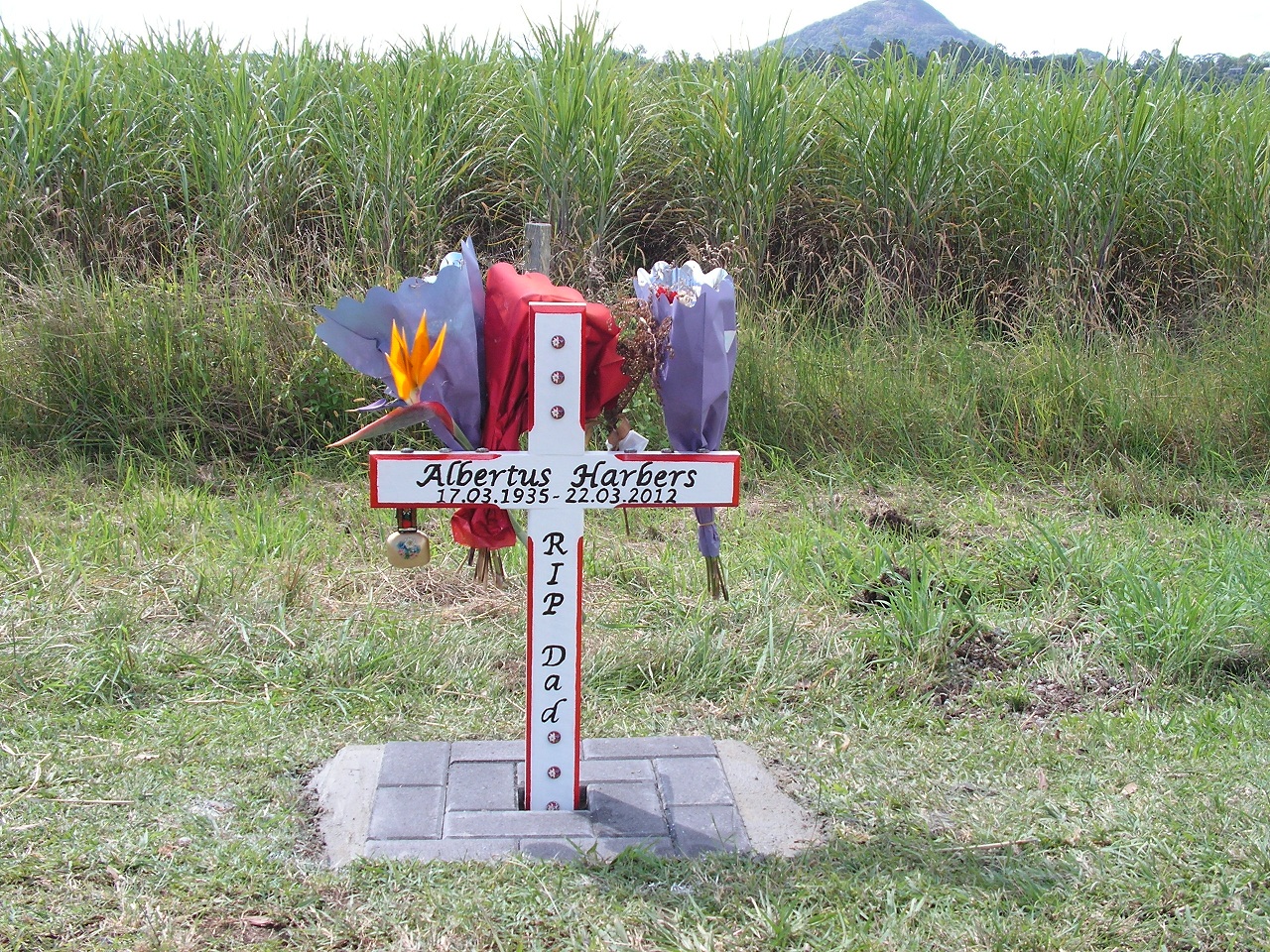
When my father was killed in a car accident almost four years ago, I flew the long-haul flight to Australia. I was looking forward, in amongst the pain, to seeing my mother who I’d not seen for years. Although my parents had been divorced for a long time, I knew she’d be there. After all, she had eight grieving children. The only thing was: she didn’t come to the funeral. Her phone went off the hook. It was only after the funeral that she made contact again. My mother hates funerals. She’s not alone there, of course, but she lost a few siblings in childhood in war-time Germany and spent much of her childhood crying. Grief hurts. There’s no denying that. And, to be honest, even the less vain amongst us don’t want to be seen with red puffy eyes and mucusy noses!
A funeral is a way of not only saying farewell, but of welcoming in those in your community so they can love, support and nourish you. Of course, we can never take away another’s grief. That’s impossible. We can, however, say how sorry we are for the loss. We can bake a cake or make a pot of soup. We can bring flowers. We can offer to do housework or errands. There’s no end to the support we can offer. And perhaps, in losing our loved one, we have moments of gaining more love from elsewhere ~ if we allow ourselves to do so. Our broken, wounded heart needs tending, and it is too easy to close ourselves off to the love that is all around us. No one can ever replace our loved one, but that doesn’t mean we can’t find succour in other types of love and affection.
At a funeral I officiated recently, I overheard one of the mourners say to someone, who she was surprised to see there: “What are you doing here?” (The funeral was quite some distance from where the guest lived). Her reply was simple: “I’m here to support you.”
And that is why we go to funerals. To support each other. To symbolically or literally hold another’s hand and say “I feel your pain.”
There is still such a fear and taboo around funerals. The tide is changing, though, and if you ever find yourself at a funeral where it has been personalised and officiated with reverence, you might just come to see how deeply healing and transformative such a ceremony can be.