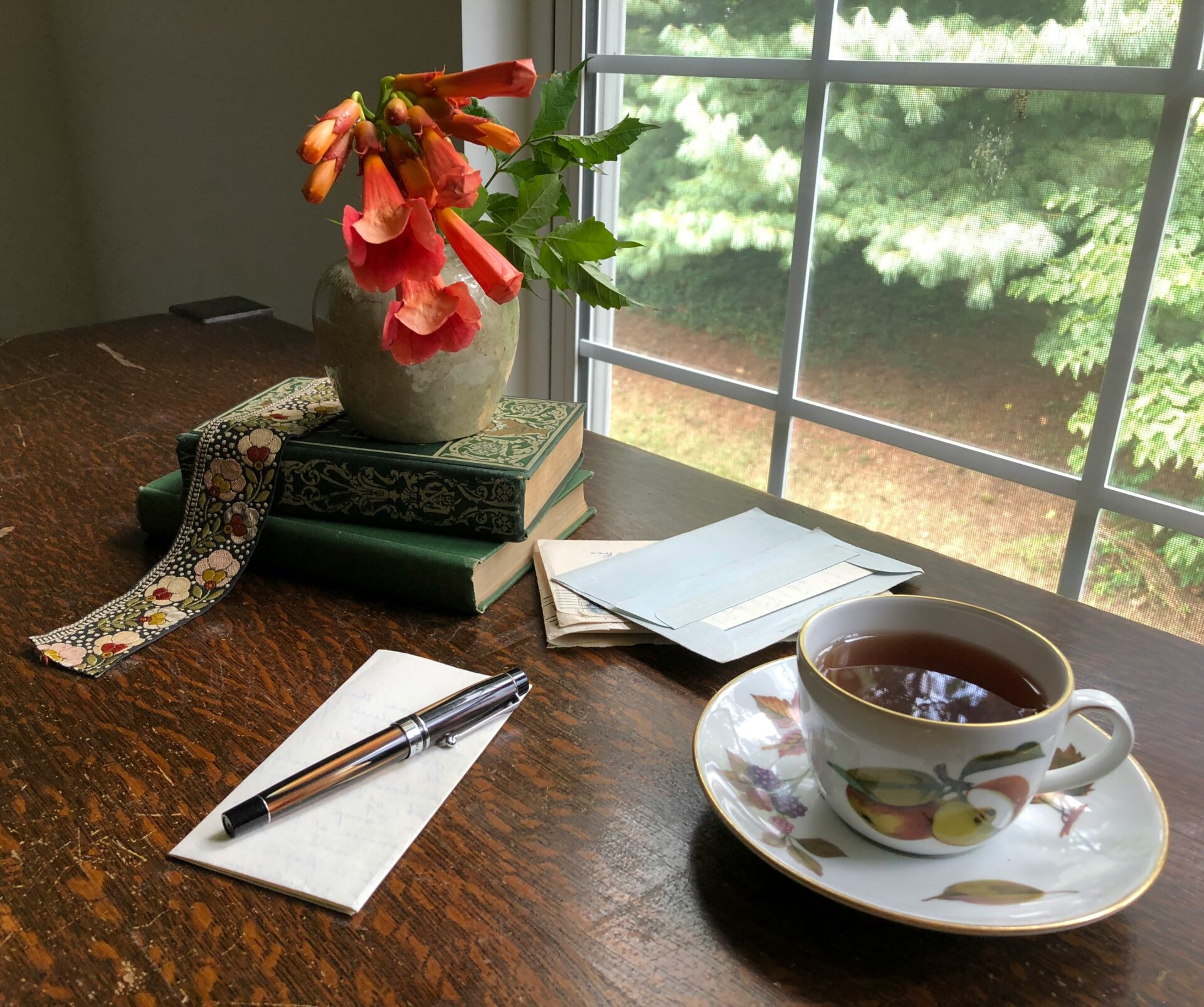
A singular moment occurs when the inner landscape of human experience demands a translation. In the map of the birth chart, that bridge is the Third House. Traditionally we call this the domain of communication, but to writers, journalists, and chroniclers throughout the ages, this territory belongs simply to The House of the Pen. Within this space, thoughts form their first physical structures. This house rules the ink, the paper, the keys, the early morning sentences, and the driving instinct to testify to life through language.

My own natal chart places Mars in Aquarius directly within this expressive realm. Mars is what gets me out of bed in the morning (and makes me go to bed far too late at night!).


To have Mars, the planet of fire, drive, activity and passion, sitting in the house of the pen means that writing has never been a passive pursuit. Writing lives in me as an electric necessity. Aquarius adds an independent, uncompromising and non-conformist current to this fire. This placement refuses to write what has already been said, demanding instead the pursuit of unique concepts, and what I know to be true word medicine.

Long before the pen became my primary tool, this third-house Mars found other ways to express its restless, kinetic energy. Children with planets in the third house often project their inner world onto their immediate surroundings, and the third house famously rules local transport and movement. Before learning to form letters on a page, I spent hours in the dirt, micro-managing the journeys of my Matchbox cars through hand-dug roads.


This early play

was the first iteration of narrative creation,

a physical mapping out

of stories and movement in the earth.


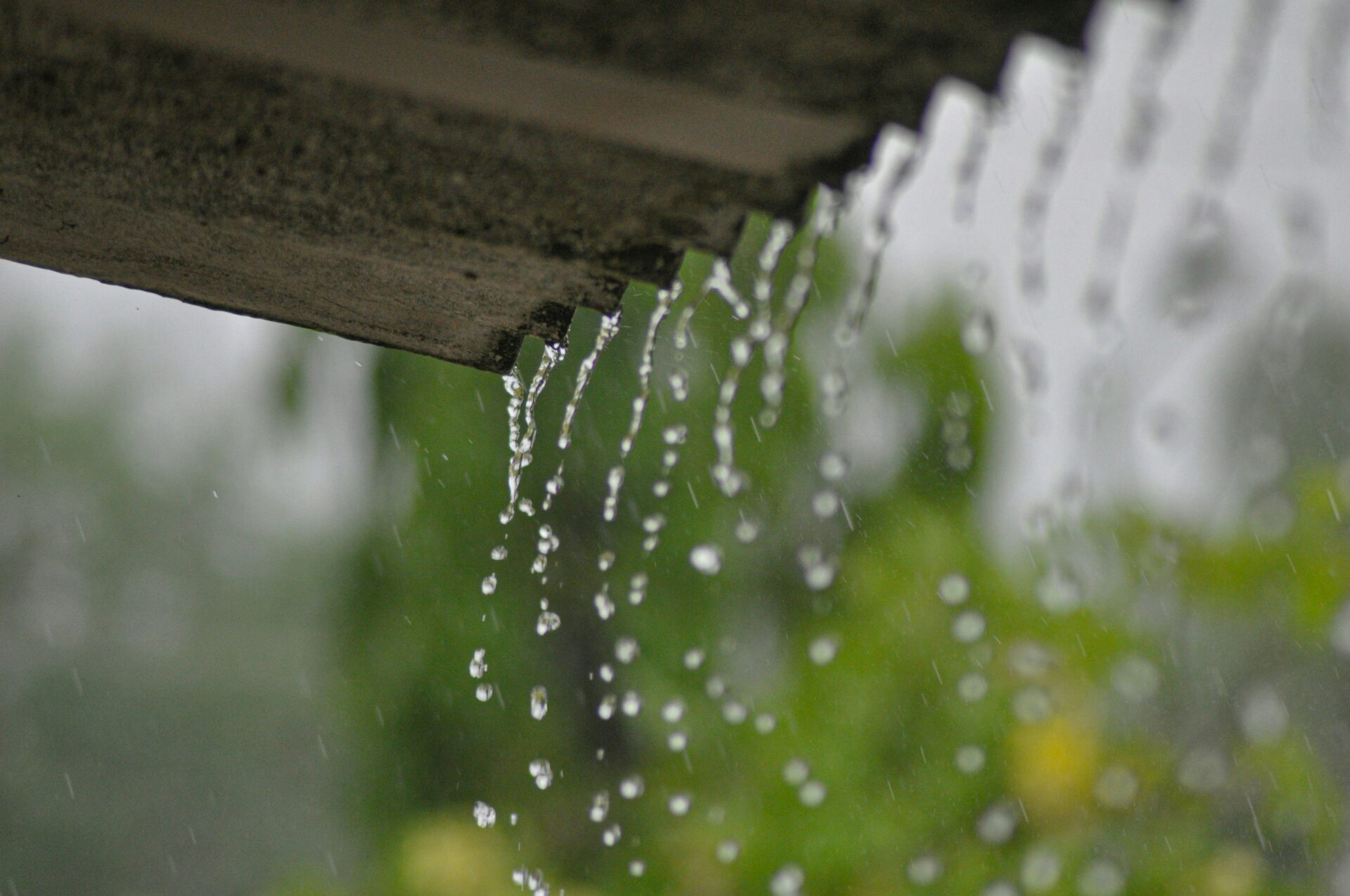
By the time I started school, that subterranean drive shifted into language, manifesting as poetry scrawled in notebooks as soon as I could hold a pencil. The Aquarius energy came out to play, too. I loved (and still do) nothing more than a good electrical storm. All that thunder and lightning excites me! (My younger daughter was born during an electrical storm – no surprise that she has Sun, Moon, Uranus [exactly conjunct] and Jupiter in Aquarius, then.)
Looking back over a lifetime spent in service to the written and spoken word, the footprint of that third-house Aquarius Mars remains clear. This placement has fuelled a multi-decade career that has shifted shapes while holding fast to its core drive. The precision of a newspaper reporter and media officer gave way to the analytical eye of a professional book reviewer and freelance journalist. Later, the writing and officiating of beautiful ceremony scripts for life’s unforgettable thresholds blended with 15 years as a magazine editor, and years as a second-generation psychological astrologer ‘reading’ the symbolism of birth charts.


To date, that ink has materialised into more than 40 published books, including recent Amazon Bestsellers. Because Mars in Aquarius is forward-looking and endlessly inventive, the wheel never stops turning. My writing room holds 20 books in various stages of drafting. The creative wealth feels vast, pouring through that communicative pipeline without a dampener.

My earliest childhood memories of this house include:

  • a desperate desire to learn how to spell words (and correcting my brother when he deliberately tried to trick me into the wrong spelling)
  • my mum sending me to the neighbours to give her ears a rest as I talked so much (I don’t these days, as the energy is channelled into writing)
  • before we moved to the countryside, standing on the pavement so I could say hello to anyone and everyone who walked by
  • standing in the roadside gutters during electrical storms so I could ‘feel the energy’
  • a bushfire razing the trees on our mountain, when I was about ten, and a deep desire to express that devastation in writing
  • I was raised in a bi-lingual home seamlessly moving from the sounds of one language to another
  • my mother was an esoteric astrologer so from the earliest age the language of astrology was part of my vocabulary
  • I’m one of eight children (the third house rules siblings). Mars here no doubt represents having five brothers (there was a lot of boy energy!)

These days, apart from my writing, Mars also represents the significant male in my life: My husband has long worked in communication, too, as a radio broadcaster, speaker, actor, voice over artist, compere, celebrant, singer, writer, ventriloquist!

For the past fourteen years, I’ve seen my Mars in Aquarius in another way, too. In 2012, my father was killed in a car accident. Not that he was driving fast, but the 17-year old driver in the other car was driving too fast for the conditions (severe violent storm). (The transit I had at the time was Uranus conjunct my natal Saturn, which squares my Sun). With a Uranian-ruled Mars in the 3rd, my father, as a significant male in my life, certainly embodied that ‘lightning’ quick energy on the road that day, and the storm.

As the edge of late October approaches, the cosmic weather changes. We stand on the precipice of Scorpio season, an ingress that activates my twelfth house, the space of the subconscious, the retreat, and the sacred cave.

Tension naturally arises between a third-house Mars that wants to write night and day, and a twelfth-house calling that demands rest, quiet, and a withdrawal from the noisy performance of modern visibility.

Power belongs to the pen even when it is time to rest. Authority is forged quietly when we take our foot off the accelerator, retreat into the sanctuary of our lived experience, and let the mastery of our words do the lifting.

As the season turns inward, so do I (even if Jupiter is about to crown my midheaven). The drafts are waiting, the ink is ready, and the cave calls. I wonder how Mars will deal with that?


If you enjoyed this post, you might also enjoy my piece on Venus in the Twelfth House: https://veronikarobinson.com/astrologers-notebook-venus-in-the-twelfth-house/

Author and Astrologer Veronika Robinson

Veronika Robinson is an astrologer and the author of more than 40 books, including Amazon bestsellers, across fiction and non-fiction. Her extensive multi-decade career in the world of words spans work as a newspaper reporter, magazine editor, professional book reviewer, and freelance journalist.

As a master ceremonialist in her 32nd year of lived celebrancy, she co-tutors at Heart-led Celebrants, which provides world-class, bespoke celebrant training and vocal coaching for independent celebrants worldwide. Veronika holds a Master’s Degree in Creative Writing from the University of Cumbria and is the founder of Starflower Press, a boutique publishing house.

She writes, teaches, edits and mentors from her cottage in the beautiful Cumbrian countryside. Find out more about her books, editorial services, and astrology sessions at veronikarobinson.com

There is a unique vulnerability in releasing a new book into the world. You send your words out from the writing desk, hoping they find their way to the ears and hearts of those who need them most. My heart is full of gratitude as I share that Write That Wedding Script: A Masterclass in Crafting Ceremonies has officially become an Amazon Bestseller!


When I began writing this guide, my aim was to provide a deeper exploration of our craft for the wedding-celebrant community. Having spent over thirty years officiating international weddings, I’ve learned that a ceremony is a living piece of art. Being a celebrant requires us to step into our role as original wordsmiths, infusing soul and intention into every syllable.

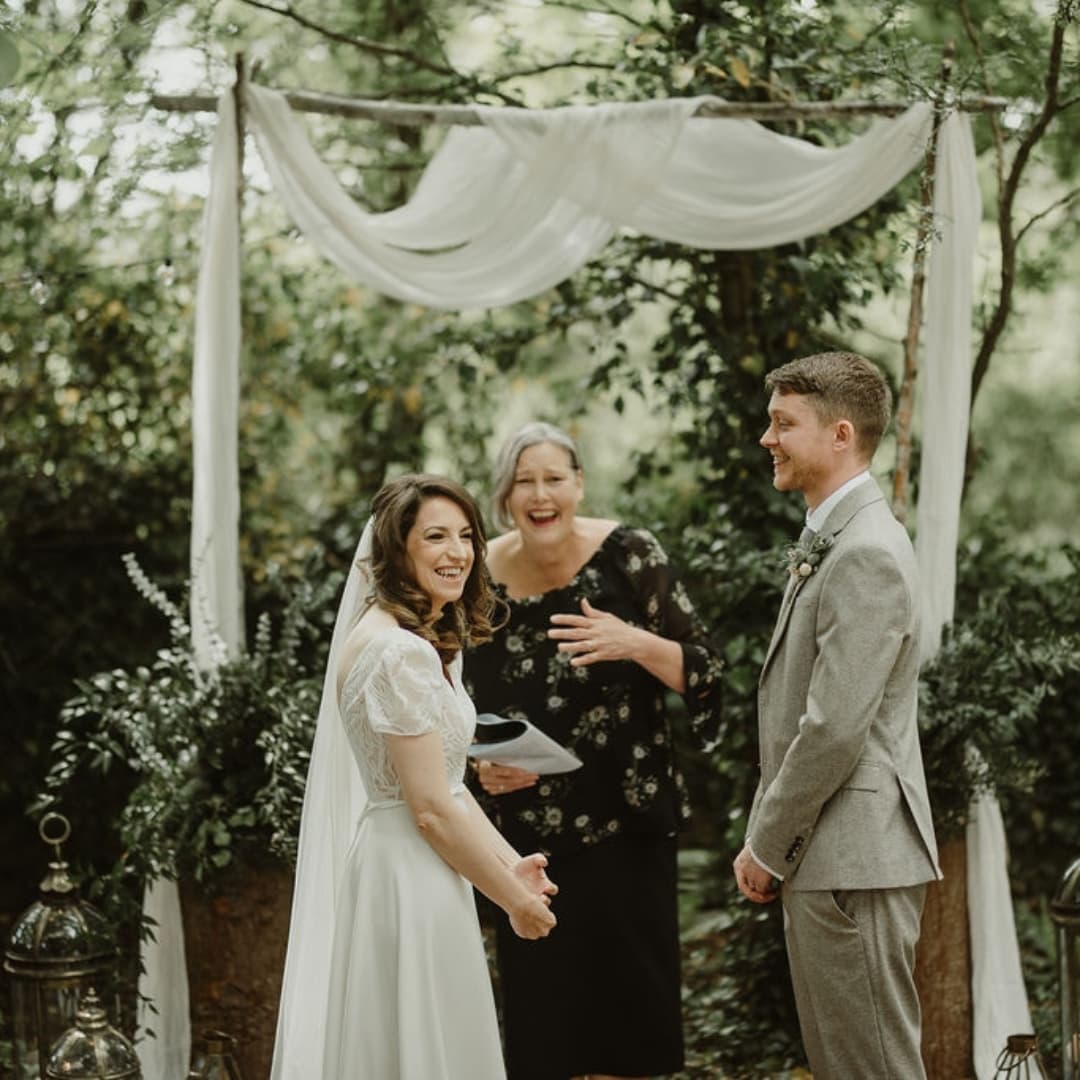
Sarah and Ned’s beautiful wedding at New House Farm, Cumbria

To see this book resonate so quickly tells me that celebrants, officiants, and independent writers are ready to push past comfortable boundaries and explore the true power of language.

Honouring the Voice of the Celebrant
Whether you’re an established professional wedding celebrant, a celebrant in training, or a family member chosen to speak for a loved one, Write That Wedding Script was created to unlock your innate creative power.

This guide is an invitation to write with bravery and presence. As a masterclass, it will help you:

Deconstruct expected structures to capture the authentic, living rhythm of a couple.

Refine your wordsmithing skills, choosing language that carries emotional resonance.

Step confidently into diverse spaces, whether creating earth-centric rituals, spiritual blessings, or humanist celebrations.


Emily and Ben’s gorgeous woodland wedding at Low Hall The Lakes.

The Convergence of Three Journeys
This milestone carries an extra layer of joy because it marks a trilogy of chart-topping successes this season. I’ve always viewed my writing as a form of word medicine, a way to uncover the hidden shimmer of the human soul. Whether I’m writing magical feminism fiction or practical non-fiction, the root intention remains the same.

Write That Wedding Script now sits on the bestseller list alongside two other recent works that are incredibly close to my heart:

Under The Starflower: A Book of Blessings: A multi-faith collection of original spoken-word blessings written to offer comfort and a healing balm during end-of-life ceremonies.


Little Black Apples: A Whimsical Witch’s Wisdom for Creating a Beautiful Life Through Dark Storms and Wild Healing: A non-fiction guide that uses earthy, botanical metaphors to support women walking through their own cycles of transformation.

Thank You to My Artists

Thank you to my artists: Sarah Esau, Philippa Mulvany and Laura Whalen.

Thank You to My Readers
To everyone who has ordered a copy, left a thoughtful review, or shared these titles within your own circles, thank you. Your support allows me to keep creating independent work from a place of truth and purpose.

If you want to explore these pages for yourself, signed copies of all three books are available through Starflower Press.

Here’s to the magic of the written word, and to the stories we choose to tell.

With love and gratitude,
Veronika Sophia Robinson
Author, Novelist, Celebrant and Celebrant Trainer, and Founder of Starflower Press


For centuries, storytelling has been dominated by a singular, rigid structure: the linear quest. We’re taught to expect a solitary hero who leaves home, conquers an external enemy, and returns triumphant. This formula drives thriller novels, epic fantasy, and classic sci-fi alike. Yet, for writers of magical feminism, this traditional framework often feels restrictive. When we weave ordinary life with the supernatural to explore women’s inner worlds, the old formulas break down. The plot must bend to accommodate a different kind of truth. Distinct structural shifts separate magical feminism from conventional genres.


Recently, someone commented on my chapters being almost ‘stand alone’ and not continuing chronologically. For someone new to the genre of magical feminism, it might seem odd. Standard fiction relies heavily on a strict timeline where one event leads directly to the next. Magical feminism rejects this linear constraint, opting instead for cyclical or ancestral time. The past, present, and future breathe together in the same room. A grandmother’s childhood trauma might manifest physically in her granddaughter’s kitchen, disrupting the ticking of the clock. This way of writing allows us to show that healing is rarely a straight line; it is a spiral that loops back to ancestral roots.


The climax of a typical adventure novel usually features a final showdown between a protagonist and a villain. Magical feminism pulls away from this isolated struggle. Instead, the narrative tension builds toward a moment of shared realisation. Resolution comes when women share their hidden truths. They find resolution or peace when they pool their inherited wisdom. Sometimes, it is found when they unite to break a long-standing generational curse. The narrative arc values community over individual conquest.


Epic genres have characters who travel to distant worlds or massive battlefields to find high stakes. Magical feminism locates the epic within the boundaries of everyday life. The kitchen table, the garden patch, and the birthing room become the arenas where cosmic forces play out. Everyday acts like baking bread, stitching fabric, or tending soil carry profound narrative weight. By centring the plot here, the genre honours spaces that society has historically sidelined.

In fantasy and science fiction, characters spend significant time learning the rules of magic, constructing lore, or seeking logical explanations for the impossible. Magical feminism bypasses these explanations completely. When a character converses with a ghost or levitates above her bed or (in the case of my novel, Grandmother’s Button Tin, hears stories through buttons, bobbins, thimbles and thread; or The Soapmaker, the botanical ingredients, loved ones who’ve passed over), the narrative accepts this as a natural layer of reality. The characters don’t pause the story to investigate the mechanics of the miracle. This allows the momentum of the plot to focus on emotional truth rather than world-building mechanics.


A traditional ending often delivers a neat conclusion, such as a defeated enemy or a perfect marriage. Magical feminism favours endings rooted in endurance and metamorphosis. Sometimes, the oppressive forces in the outside world remain at the final page. The victory lies in the internal autonomy the characters have claimed or reclaimed. Survival itself becomes the ultimate resolution.

Traditional genre fiction frequently builds authority through ancient texts, formal prophecies, and masculine systems of law. Magical feminism shifts this narrative authority into oral histories, bodily intuition, and whispered folklore. Spells are woven through stories, incantations, recipes, and nursery rhymes passed down through maternal lines. This structural shift allows characters to reclaim their voices, reshaping the wider world through the language of the marginalised.


Standard narratives tend to compartmentalise human experience, separating physical discomfort from spiritual enlightenment. Magical feminism weaves these elements together, allowing the messiness of female biology to sit comfortably alongside the sublime. Blood, childbirth, and aging are treated as sites of profound magical potential rather than things to be hidden away. This structural honesty grounds the supernatural, making the surreal elements feel deeply connected to the flesh.

As writers, embracing these styles requires a willingness to unlearn the rigid rules of conventional commercial fiction. We must trust that a reader can find deep satisfaction in a story that prioritises emotional evolution over physical combat. By stepping away from the traditional hero’s journey, we open up a rich, expansive territory where magic and truth walk hand in hand.


When readers think of speculative fiction, minds often drift to epic fantasy realms or urban sorcery. However, a distinct literary space exists where enchantment weaves directly into the fabric of daily life. This is magical feminism. Unlike genres that use magic as an escape from reality, magical feminism serves as a direct critique of patriarchy. The genre uses the extraordinary to expose, challenge and dismantle the systems that suppress women. By centring the female experience, ancestral lineage and the reclamation of personal power, these stories transform everyday domestic reality into a site of active resistance.

Here are the defining qualities of a magical feminism novel, illustrated by how these elements confront real-world injustice and institutional control.


A Grounded, Rural Setting
The landscape in these novels is rarely a passive backdrop for the plot. Stories frequently unfold in rural locations, ancient villages, coastal landscapes or isolated cottages. These environments provide a vital connection to Nature, the changing seasons and cycles of growth. The isolation of a rural environment allows characters to live outside the dominant, urbanised structures of modern society. This separation creates a space where the boundary between the ordinary and the extraordinary blurs, allowing women to find sanctuary away from patriarchal surveillance. In the countryside, away from institutional eyes, characters can develop their gifts, gather in community/sisterhood, and establish a safe haven where healing can take place on their own terms.


Enchantment in Everyday Items
The magic in these novels is domestic, tactile, and woven into mundane objects. This power resides within household items, transforming ordinary tools into vessels of strength, memory and agency.

In my novel, The Soapmaker, this manifests through the craft of soapmaking, where the bars of soap hold distinct magical qualities when used by the characters. This supernatural element serves to critique the extreme control, isolation and psychological conditioning enforced by a strict religious group, the Jehovah’s Witnesses. By elevating soap and domesticity, the genre honours the historical spaces managed by women, turning the tools of daily routine into instruments of liberation and self-determination.


Inherited Magic and Ancestral Lineage
Magic is usually inherited, passing down through generations of women as a physical manifestation of intuition, resilience and shared history. This inheritance bypasses patriarchal lineages, creating an unbroken chain of female wisdom.


In my current work in progress, The Irish Dollmaker, this inheritance takes the form of clair-senses. The protagonist experiences heightened psychic knowing and sensory awareness through the dolls she creates. This magical ability acts as a tool to uncover buried truths, offering a searing critique of the Irish Mother and Baby Homes and the systemic abuse perpetrated by the church. The magic connects daughters, mothers and grandmothers, allowing them to heal historical trauma and speak for those who were silenced by powerful institutions.


Confronting the Suppression of Women and Girls
Magical feminism uses the supernatural to shine a light into the darkest corners of societal complicity and institutional cover-ups. This narrative style refuses to look away from the ways women and girls are marginalised and silenced by those in power. In my novel, Grandmother’s Button Tin, the magic contained within a vintage biscuit tin (buttons, bobbins, thread) addresses the suppression of women and girls regarding sexual abuse and the subsequent cover-ups that protect abusers. The enchantment does not soften the reality of the trauma. Instead, the magic provides the protagonist with the clarity and strength needed to break through denial, and confront the family or community dynamic to expose the hidden truth.


Reclaiming the Female Body
A vital branch of magical feminism focuses on the natural transitions of the female body, reframing these milestones as periods of spiritual awakening rather than physical decline. My other current writing project is a novel called A Change to Remember which focuses on this theme by offering a critique of Western society’s highly medicalised, dismissive and youth-obsessed take on menopause. In a patriarchal world that often devalues women as they age, magical feminism presents these bodily changes as a time of reclamation, heightened intuition, and deep personal authority. The transition becomes an entry point into elderhood and leadership, rather than an ending.

Magical feminism proves that magic is not merely a tool for aesthetic wonder. This sub-genre of magical realism serves as a mirror held up to harmful societal structures, giving authors and readers alike the language to challenge control and expose institutional abuse. And, of course, to celebrate female autonomy.

You can find magical feminism books by Veronika Sophia Robinson at Starflower Press under the imprint Moonlight and Motif.


There is a story modern society sells us: creativity belongs solely to the young. Have you ever felt bombarded by “30 under 30” lists, tech-founder profiles, and youth-centric media that condition us to believe that if we haven’t published our masterpiece, secured our credentials, or found our true calling by our twenties or thirties, the door has somehow swung shut?

When I observe the shifting seasons, my silvering hair, and the deeply etched lines of my lived experiences, I can feel like I’m running out of time. Is my age a closing gate, I wonder, or a portal?


If there’s one thing I’ve learned, it is that my soul does not keep time by a standard calendar. Day by day, the lesson I’m learning is that true creativity is not a sprint; it is a wild, unhurried flowering that occurs exactly when the soil of my life has become rich, complex, and dark enough to sustain growth. Even though I can find it frustrating, the stories that matter most are rarely written in a rush.


The Unconventional Path
A few years ago, I decided to step across an exhilarating educational threshold: I applied for a Master’s Degree in Creative Writing at the University of Cumbria. This wasn’t just about entering an academic institution later in life—the reality was that I did not possess an undergraduate degree. Nothing about my life has been a strict, linear path. But, this I do know: empowerment comes when we take a leap. I was accepted into this Master’s Degree based on lived experience as an author and writer of life and love stories. This is where the wild flowering began—building my MA Creative Writing on the foundation of personal truth rather than rigid expectations.

I had no traditional academic background to present to the admissions board. What I did possess was a vast, sprawling landscape of non-traditional education: over three decades of walking alongside real families through life’s most intense thresholds as an international ceremonialist, listening to thousands of raw human stories of deep grief and ecstatic joy, of hope and heartache. So, I applied based entirely on my portfolio of lived experience and deep, soul-led intention. When the University of Cumbria opened its doors and accepted me, it was a profound, life-altering validation of a simple truth: life itself is the ultimate university.


Your path does not have to look like anyone else’s to be completely valid, deeply successful, and beautifully whole.


Why the Later Years Yield the Richest Prose
Entering a creative-writing program with decades of life behind me completely transformed how I approached the fictional page. When you write as a late bloomer, your ink is thick with real emotional currency. You don’t have to guess how heartbreak feels or how communities of women hold space for one another through difficult life transitions. You’ve lived it. You have sat by bedsides, held the hands of crying friends, and survived storms. 

Early-life prose often relies on abstract concepts. Decades of living and listening transforms writing into something entirely different: prose grounded in raw honesty and emotional safety.

My heroines—whether in The Soapmaker, The Gypsy Moon Trilogy, or my latest publication: Grandmother’s Button Tin—carry a rare emotional safety and raw honesty precisely because I, their creator, had to wait for my own internal wisdom to cure.

The stories that flow from my writing desk, here in my 300-year-old Cumbrian cottage, are far more textured than anything I could have written in my youth. The waiting was the essential fermentation process required to weave true word medicine.


Dismantling the Artificial Timeline
Are you holding a hidden creative fire inside your chest but feel censored by the clock? Here’s what I know: On the fells of Cumbria, the heather doesn’t apologise for blooming late in the Summer, long after the Spring flowers have faded. No, it doesn’t look at the daffodils of April and feel inadequate. Heather waits patiently for its own season, and when the moment arrives, I marvel at magnificent hillsides of untamed purple.

You are not running behind. You are exactly on time for the story your life. A traditional piece of paper doesn’t validate your vocation. Your passion and your lived history are your true credentials. Your creative capacity expands and is enriched by every single threshold you have courageously crossed. Magnificent endings may look nothing like your beginnings.


The Gift of Your History
Every wiry wrinkle, every strand of silver hair, every laughter line, and every wayward path you have walked becomes the raw material for your greatest work. When you write, paint, or speak from the perspective of your own history, you become a way-shower.

As I yield to the creak in my aging hips, I’m aware that the young may have speed, but the mature have depth; a perspective that comes from watching the wheels of time turn, seeing how generations connect, and understanding that the beautiful, bruised complexities of being human are exactly what make us magnificent.


An Invitation to Your Own Wild Blooming
This is my gentle invitation to you: take an unhurried look at your own unfulfilled creative narratives today.
• What is the story, the art piece, the business, or the dream that you have set aside because you whispered to yourself “My season has passed“?
• Can you muster the bravery to dismantle that false timeline and view your decades of life as your most potent creative fuel?

Trust the rhythm of your existence and allow yourself to flower wildly, beautifully, and entirely on your own terms. Your best chapters are still waiting to be written.


Sent with love from my writing desk in the wild fells of Cumbria,

Veronika Sophia Robinson
Author, Novelist, & Weaver of Word Medicine


You are warmly invited to step further into my literary sanctuary. Explore the complete collection of fiction and non-fiction books at Starflower Press, or discover the living map of your soul with a personal astrology reading at The Oracle. My celebrant training and celebrant masterclasses can be found at Heart-led Celebrants.