As celebrants, we often talk about the invisible threads that bind us to the past. We craft ceremonies that honour transition, nature, and legacy, believing that the rituals we create help people anchor themselves to their own stories. But recently, a breakthrough in my own family-tree research revealed a thread so profound it left me breathless.
I discovered that when I step out into the fresh air to lead a modern seasonal ceremony or a baby name-giving ritual, I’m not just creating something new. I am walking a path that my own grandparents were actively paving generations ago in the maritime city of Wismar, Germany.
Uncovering a Hidden Heritage For years, parts of my family’s 1940s history were locked behind administrative privacy walls. When the archival records finally opened, I expected a quiet list of cold dates and formal locations. Instead, I found a living, breathing worldview.
Looking at the chronological timeline of my mother’s siblings, you can actually see the moment my grandparents’ perspective shifted. Their eldest child, my Uncle Peter, was born just before the war in 1938, given a traditional, standard European name. But shortly after, my grandparents made a conscious choice to step away from the orthodox church system. In a time dominated by rigid institutional thinking, they chose a path known as deutsche Gotterkenntnis (German God-Knowledge)—a nature-centric, pantheistic philosophy that viewed the entire universe, the soil, the trees, and the stars as a single, interconnected divine force.
When my mother arrived next in May 1939, they chose a name that perfectly captured this new alignment: Dagmar, which beautifully translates to “Joy of the Land”. They didn’t look for meaning inside stone cathedrals anymore; they looked for it in the earth beneath their feet.
The Ceremonies of the Earth Reading through their history felt like looking into a spiritual mirror. Because they had stepped away from traditional religious structures, they completely bypassed orthodox baptisms and conventional holidays. Instead, they celebrated life using the exact same archetypes that call to me today: • The Solar Festivals: They gathered under the open skies of northern Germany to mark the turning points of the Earth—the wild bonfires of the Summer Solstice and the quiet, evergreen introspection of the Winter Solstice. • The Name-Givings: When their children were born, they held outdoor Namensweihe (Name-Giving Ceremonies), presenting their babies to the community and the natural elements, pledging to raise them in harmony with natural laws. Even the names of the babies who followed my mother—like Helga (“holy and in harmony with the divine”), Volkmar, Rainer-Gerwin, and Ute Bärbel—were deeply deliberate, rooted in ancient regional heritage and the protective strength of the natural world.
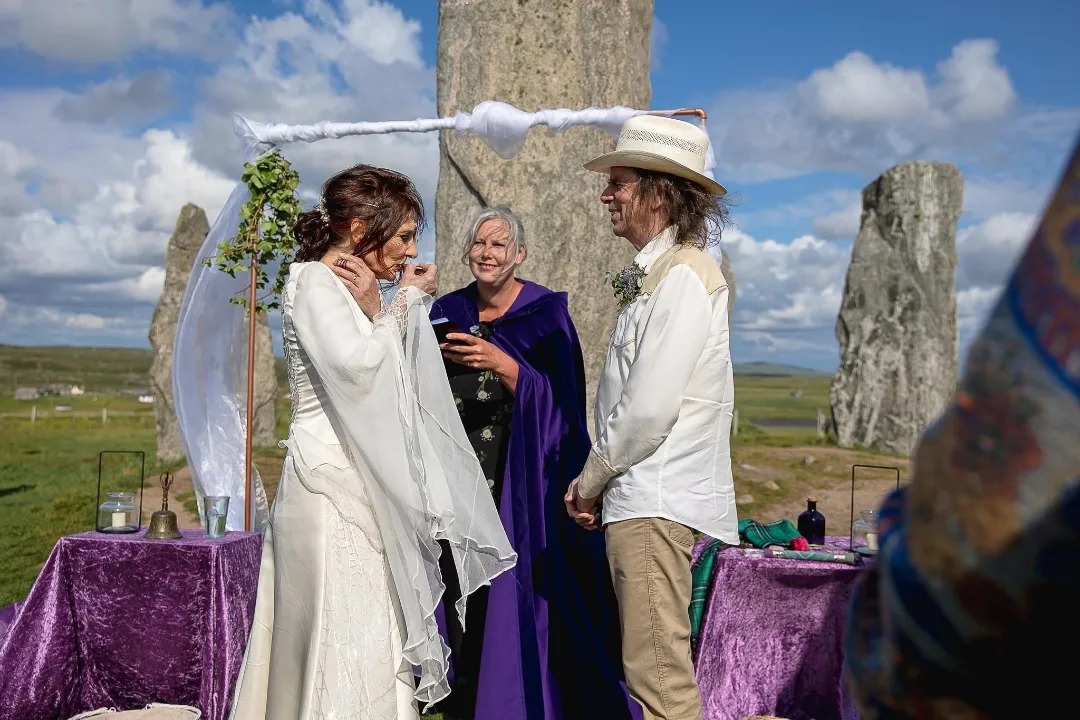
Officiating Douglas and Pamela’s Handfasting Ceremony on the Summer Solstice at the Callanish Stones, Isle of Lewis, Outer Hebrides.
A Sacred Echo History is complex, and the eras our ancestors lived through were heavy and turbulent. Yet, when you strip away the fleeting politics of the mid-20th century, the core human desire my grandparents held remains pure: a longing to align the human soul with the cosmic rhythm of the Earth.
Discovering this backstory has completely transformed how I view my own naturally Pagan views and my work as a celebrant. It’s a reminder that our passions are rarely accidental. The love I have for the Earth, the reverence I feel for the Solstices, and the joy I find in welcoming a new child to the world without rigid dogma—these are not just my choices or calling. They’re a sacred echo.
To anyone researching their roots, I encourage you to look beyond the numbers. Look at the choices they made, the names they gave, and the beliefs they held close. You might just find that the path you are walking today was cleared for you generations ago.
Veronika Sophia Robinson Author, Novelist, & Weaver of Word Medicine 🤍 🤍 🤍 You are warmly invited to step further into my literary sanctuary. Explore the complete collection of fiction and non-fiction books at Starflower Press, or discover the living map of your soul with a personal astrology reading at The Oracle. My celebrant training and celebrant masterclasses can be found at Heart-led Celebrants.
https://veronikarobinson.com/wp-content/uploads/2022/02/20211218_074527.jpg11252000Veronika Sophia Robinsonhttps://veronikarobinson.com/wp-content/uploads/2025/04/Updated-logo-colour.pngVeronika Sophia Robinson2026-06-14 20:42:362026-06-14 20:48:24Walking the Path of the Ancestors: From Wismar to Modern Celebrations
You do not need to set up an altar to create a sacred space; the portal to the mystical is wide open right in the middle of your living room.
As an international ceremonialist, my life’s path is intertwined with creating conscious rituals that walk families through life’s deepest thresholds. In my book for ritual makers, The Five Elements, I explore how the ancient architecture of nature provides a flawless map for creating beautiful ceremonies. But you do not need to be a professional to work this ancient magic. When we live in a high-speed world, our days can easily dissolve into an endless checklist of tasks to finish. By intentionally inviting the primal energies of earth, air, fire, water, and spirit into your daily life, you can transform your modern household tasks into a sanctuary of profound comfort, warmth, and healing medicine.
The pathway to a grounded home begins with Spirit, the ultimate crown of presence and intention. When we shift our minds away from future worries, we open the door to the four physical elements that structure our daily life.
Spirit divides into two active, rising paths: Air and Fire • Air manifests through steam and inhaling, catching the invisible whispers of the home. • Fire anchors the space through the hearth flame, bringing warmth, transformation, and light. These rising energies naturally cycle back down to merge with Water and Earth. • Water flows through the rituals of washing and brewing infusions, cleansing both object and mind. • Earth provides the ultimate physical foundation, rooted deeply in the tangible comfort of flour and botanicals. By consciously mapping these five elements onto your domestic environment, you can ground your nervous system and reclaim the quiet magic of being human.
Spirit (mindfulness and intention) Air (breathing and clearing air) Fire (for warmth and cooking) Water (for cleansing and brewing) Earth (for baking and plants)
Here is how you can weave ten distinct, simple practices for each element into your everyday home life.
Invoking the Elements in Daily Life
Earth: The Anchor of Tactile Form Earth represents stability, nourishment, physical form, and our deep ancestral roots. It’s the raw material that brings a racing, restless mind back down to reality. When we engage with the Earth element at home, we remember that we are a part of nature, not separate from it.
1. Kneading Sourdough: Feel the dense, heavy resistance of the dough against your palms, connecting to the ancient line of bakers before you.
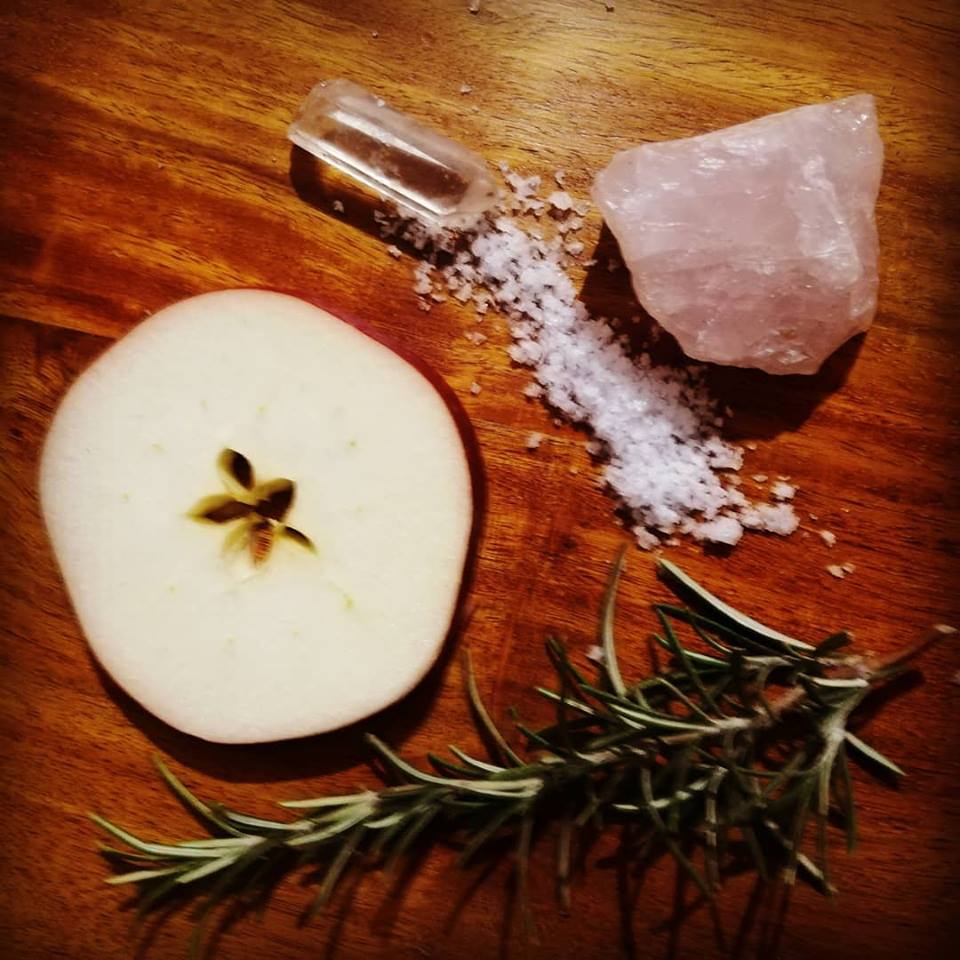
2. Gathering Garden Herbs: Hand-pick rosemary or mint, intentionally pausing to feel the texture of the leaves between your fingertips.
3. Soil Under Fingernails: Repot a houseplant or plant seeds in the garden, letting your bare hands touch the cool, dark soil.
4. Weighing Botanicals: Use a scale to weigh out dried flower petals, clays, or roots for a home craft project.
5. Standing Barefoot: Step onto the grass outside your door for three minutes first thing in the morning, letting the ground absorb your tension.
6. Organising the Pantry: Arrange your jars of whole grains, nuts, and beans with gratitude for the abundant harvest of the land.
7. Touching Worn Stone: Run your hand along an old stone wall, fireplace, or doorstep, acknowledging the enduring weight of the materials.
8. Sweeping the Hearth: Clear away dust and ash with rhythmic, deliberate brush strokes to reset the physical boundaries of your room.
9. Charging Crystals: Place a piece of rose quartz or smoky quartz on your desk to remind you to stay rooted during a busy work hour.
10. Sifting Flour: Watch the fine white powder cascade into a mixing bowl, observing its lightness before it is anchored into bread.
Air: The Breath of Clarity Air is the element of communication, fresh perspective, new beginnings, and intellectual clarity. It blows away stagnant energy and makes room for fresh inspiration to flow onto the pages of your life.
1. Throwing Open Windows: Let the crisp, wild wind sweep through your rooms to entirely refresh the indoors.
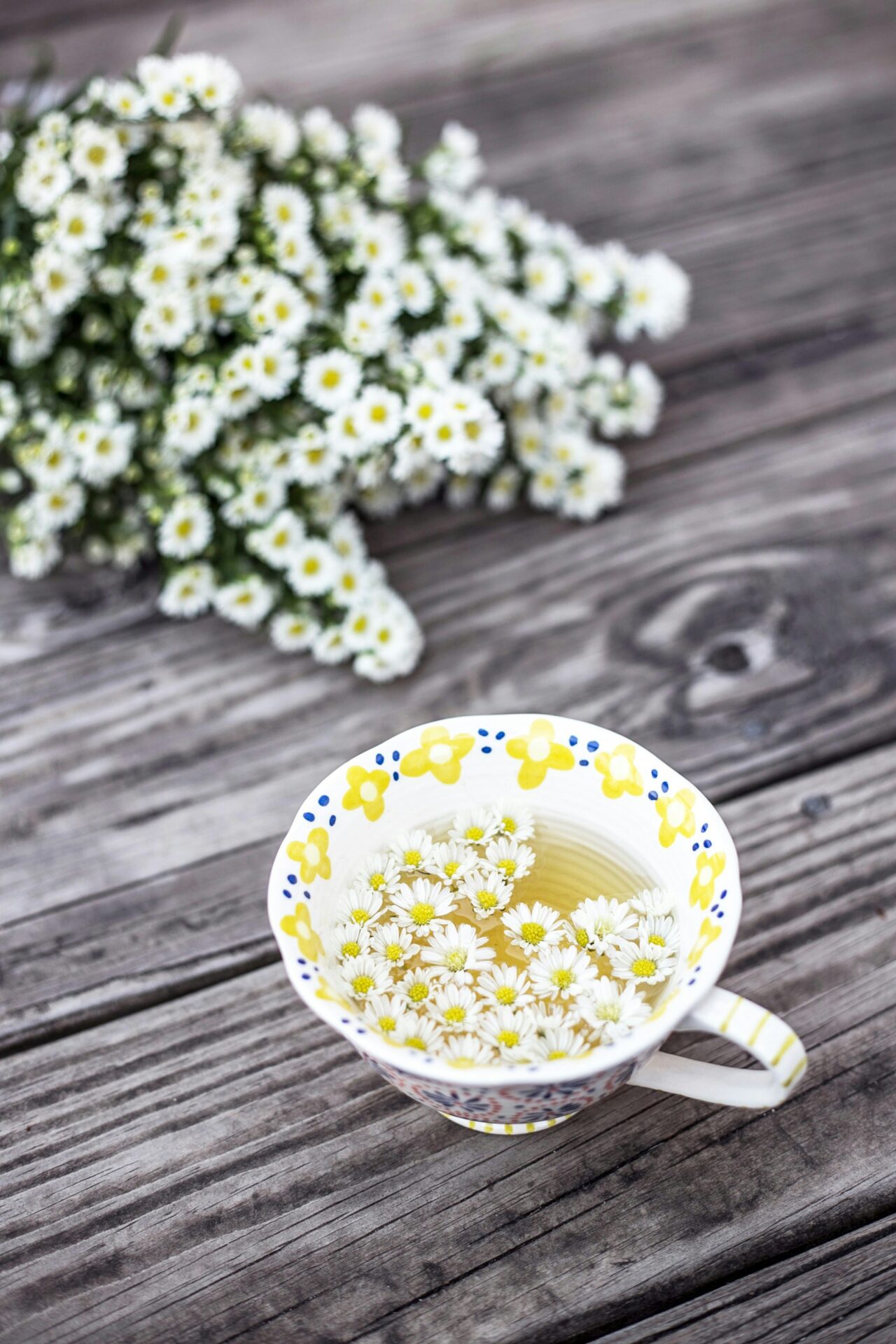
2. Inhaling Herbal Steam: Lean over a hot cup of loose-leaf herbal tea, breathing in the vapour deeply before your first sip.
3. The Three-Breath Pause: Stop at the physical threshold of your front door and take three deep breaths to release the day before entering.
4. Lighting Incense: Watch the delicate plumes of smoke rise from an aromatic herb stick, letting your eyes track its path into the room.
5. Whispering Intentions: Speak a gentle, quiet wish or affirmation aloud into the morning air as you get out of bed.
6. Listening to Chimes: Hang a wind chime near a door or window, taking a conscious moment to listen whenever the air plays a note.
7. Shaking Out Linens: Take your blankets or sheets outside and shake them out into the fresh breeze to clear away old sleep energy.
8. Diffusing Essential Oils: Fill the air with the scent of pine, eucalyptus, or lavender to lift the emotional frequency of your home office.
9. Hanging Laundry Outside: Pin your clothes to a washing line, letting the Sun and wind naturally scent and dry the fabric.
10. Mindful Sighing: Take a deep breath in through your nose and let it out as a loud, audible sigh to release stuck physical stress.
Fire: The Alchemy of Transformation Fire represents passion, internal warmth, creative drive, and the transformative spark of life. It is the elemental engine that turns raw, cold ingredients into finished nourishment and changes ideas into stories.
1. Lighting a Candle: Strike a match and light a single beeswax candle at your desk to signal the start of a protected creative hour.
2. Tending the Woodstove: Carefully build and feed a wood fire, focusing on the crackle of the wood and the rising warmth.
3. Warming Your Hands: Wrap your palms around a hot ceramic mug of tea, letting the physical heat soothe your hands.
4. Cooking on an Open Flame: Prepare a hot meal over a gas ring or campfire, respecting the heat required to change raw food into dinner.
5. Toasting Spices: Dry-fry cumin or coriander seeds in a pan, watching them darken as they release their therapeutic oils.
6. Welcoming the Sun: Open all your curtains to let the natural morning sunlight stream in and warm up cold floorboards.
7. Burning Old Drafts: Safely burn a scrap of paper containing old worries or critical thoughts to symbolically clear your path.
8. Gazing into Embers: Spend ten minutes watching the glowing embers of a fire die down at night instead of looking at a digital screen.
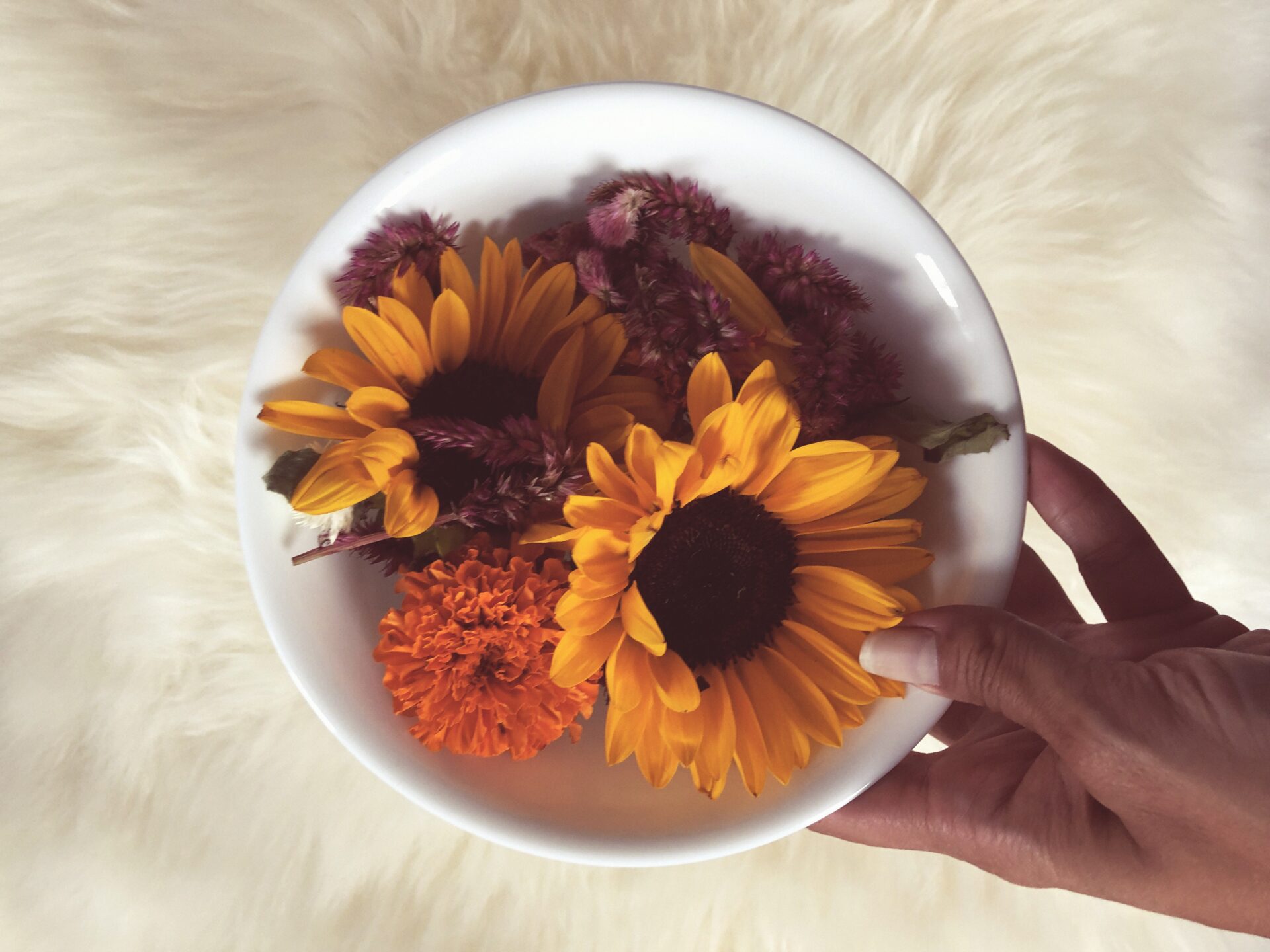
9. Creating a Hearth Focal Point: Place a warm brass tray or a bowl of bright orange marigolds in the centre of your living room table.
10. Ironing Fabric: Move a hot iron over clean clothes or linens, appreciating the instant transformation from wrinkled to smooth.
Water: The Flow of Purification Water governs the emotional body, intuition, fluid movement, and the beautifully bruised complexities of our feelings. It cleanses, purifies, dissolves hard edges, and carries away the heavy emotional debris of the day.
1. A Purification Shower: Imagine the running water washing away your fatigue, anxiety, and external noise as it runs down the drain.
2. Crafting A Herbal Bath: Add handfuls of Epsom salts and dried lavender flowers to a warm tub, treating it as a sacred healing pool.
3. Hand-Washing a Mug: Slowly wash your favourite teacup by hand, watching the warm soap suds cleanse the ceramic.
4. Drinking a Mindful Glass: Take a slow sip of pure, cold mountain water, consciously feeling it hydrate and wake up your internal body.
5. Simmering an Infusion: Watch dried herbs dance and swirl as they steep in boiling water, turning the clear liquid into medicine.
6. Washing the Floors: Add a few drops of pine or lemon oil to a bucket of warm water, cleaning the floors with the intention of refreshing the home’s spirit.
7. Anointing Your Wrists: Dab a drop of rosewater or spring water onto your temples or wrists as a quick midday sensory reset.
8. Watching Raindrops: Stand by a window during a rainstorm, observing the paths the drops take as they slide down the glass.
9. Water for the Animals: Wash and refill your pets’ water bowls with fresh, clean water, acknowledging your care for them.
10. Steeping Sourdough Starter: Stir water into your flour culture, honouring the invisible living organisms that react to the moisture.
Spirit: The Weaver of Consciousness Spirit is the invisible, golden thread that binds the other four elements together. It cannot be bought or stored; it is the raw, soul-led intention and absolute presence you bring to an otherwise ordinary moment.
1. Setting a Daily Intention: Pause before getting out of bed to decide on the single feeling you want to cultivate throughout your day.
2. Cultivating Workspace Silence: Sit at your writing desk for five minutes in absolute stillness before touching a keyboard or pen.
3. A Moment of Deep Gratitude: Say a quiet “thank you” to your home for providing shelter, warmth, and safety before you go to sleep.
4. Blessing Your Materials: Touch your ingredients—whether soap oils, garden herbs, or wool yarn—and honour the life inside them.
5. Mindful Gazing: Look out at the hills or your garden for five minutes without trying to analyse, fix, or change anything you see.
6. Honouring a Milestone: Light a candle to mark the exact moment you finish writing a chapter, a book, or a large project.
7. Unplugging Digital Screens: Intentionally turn off your phone or computer an hour before bed to return your mind to your physical room.
8. Smiling at a Pet: Look into the eyes of your cat or dog, appreciating the pure, uncomplicated companionship they provide.
9. Speaking with Kindness: Consciously choose a gentle, warm tone of voice when speaking to your partner, family, or yourself.
10. Accepting the Present: Take a deep breath and accept exactly where you are right now—flaws, unfinished tasks, and all.
Crafting Your Home Ritual To begin weaving this medicine into your environment, you do not need an elaborate script or hours of free time. Pick just one element and a single practice that resonates with your soul today.
When you bring conscious presence to a boiling kettle or a handful of garden herbs, you are no longer just keeping house. You are performing a beautiful, quiet ritual that heals the spirit.
By tracking these elemental energies across your kitchen counters, garden paths, and writing desks, you fill your inner creative reservoir. You turn the mundane into the magical, ensuring your home remains a true sanctuary for the soul.
Veronika Sophia Robinson Author, Novelist, & Weaver of Word Medicine 🤍 🤍 🤍 You are warmly invited to step further into my literary sanctuary. Explore the complete collection of fiction and non-fiction books at Starflower Press, or discover the living map of your soul with a personal astrology reading at The Oracle. My celebrant training and celebrant masterclasses can be found at Heart-led Celebrants.
https://veronikarobinson.com/wp-content/uploads/2025/10/lucy-s-print-shop-a9CwK1I3Ph0-unsplash.jpg14401920Veronika Sophia Robinsonhttps://veronikarobinson.com/wp-content/uploads/2025/04/Updated-logo-colour.pngVeronika Sophia Robinson2026-06-13 20:41:542026-06-13 20:41:54The Five Elements of Everyday Ceremony: Grounding Magic at Home
Perhaps it’s because of my work as a funeral celebrant or because of the different times I’ve walked the path of grief, but I find the unsolicited serving up of platitudes can demean a fellow human’s feelings.
Platitudes are the words we wear when we don’t know what else to say. Spiritually, platitudes are a paradox. On one hand, they act as thought-terminating clichés that bypass empathy and silence the suffering of the moment. They serve the speaker of those words, not the recipient. The ego helps us to ward off the uncomfortable. Retreating from someone else’s pain takes us away from being present.
We speak platitudes to hide the raw edges of grief or pain. And yet, beneath their veneer lies a universal truth—a desperate human desire to connect.
We offer them like sacred talismans:
Everything happens for a reason Time heals all wounds It is what it is
Perhaps platitudes were formed on the bedrock of collective human wisdom or even survival? We repeat them because we sense the seed of the universal human stories within them. The desire to connect with another isn’t the problem, of course, it’s the mindless recitation of words that don’t help another to heal.
To walk a mindful path, let us swap the easy answer for the heavy, beautiful act of sitting with someone in the dark. Unsure how?
Instead of saying They are in a better place perhaps you could say:
I am holding space
for the massive absence left behind.
Everything happens for a reason dismisses a person’s pain. How about saying:
This is deeply unfair,
and you do not have to find a lesson in it.
God doesn’t give you anything you can’t handle does not help a person. Why not support them with:
You shouldn’t have to be this strong right now.
I am here in the weakness with you.
When someone’s future is uncertain, you might be tempted to soothe things over with words like: It will all work out in the end. Or, you could enter into presence and say:
I don’t know how this unfolds,
but you will not walk through the unknown alone.
If you find yourself in the company of someone who is suffering deeply, instead of telling them to be positive or cheer up or look on the bright side, you could say:
I am ready to sit with you in the dark
for as long as it takes.
Sent with warmth and compassion from my writing desk in the wild fells of Cumbria,
Veronika Sophia Robinson
Author, Novelist, & Weaver of Word Medicine If this blog touched your heart, you are warmly invited to step further into my literary sanctuary. Explore the complete collection of fiction and non-fiction books at Starflower Press, or discover the living map of your soul with a personal reading at The Oracle. My celebrant training and celebrant masterclasses can be found at Heart-led Celebrants.
https://veronikarobinson.com/wp-content/uploads/2014/08/singlecosmos.jpg585585Veronika Sophia Robinsonhttps://veronikarobinson.com/wp-content/uploads/2025/04/Updated-logo-colour.pngVeronika Sophia Robinson2026-06-11 07:05:182026-06-11 07:12:32Sitting in the Dark: Why Platitudes Fail Us in Grief
“It’s Mercury retrograde!” Even in mainstream circles, it’s not unusual to hear those words bandied about as the reason for communication calamities or technical trickery. A little earlier this evening Mercury retrograded, and I did chuckle to myself that both our printers ‘played up’ today, and my email app wouldn’t work due to a ‘bug’. If you’re a bit late to the Mercury-x party, here’s a brief run down.
Mercury is the planet which rules communication, siblings, learning, primary-school education and local travel. In Roman mythology, he’s known as the winged messenger.
Mercury retrograde happens three to four times every year when its transit takes it between the Sun and the Earth. This lasts about three weeks (excluding the ‘shadow’ phases either side). Due its concentration of iron, the apparent moving backwards of the planet tends to play havoc on human behaviour, not to mention electrical items. During the retrograde phase we may notice mishaps and misunderstandings in communication. Emails go missing. Your best friend falls out with you because she completely misinterprets a message. Your car won’t start. Banking apps stop working. The list goes on.
In our home, we back up the laptops before Mercury retrogrades. Not out of fear, but based on experience. Better safe that sorry. It’s also a time to avoid signing contracts for big-ticket items (because you won’t see the fine print) or buying new electrical or technological equipment. If you’re going on any journeys, make sure you’ve had your car tuned up.
Given the number of weeks every year that Mercury is retrograde, we simply can’t go into hiding. Nor should we! Befriending this planet (also known as The Trickster), and understanding his message, is key to not just surviving but positively thriving during this transit. Mercury, during retrograde phase, invites us to go with him into a type of Underworld (just like Persephone). In essence, it means becoming more right-brained so that we allow our intuitive self more air time. If we already live an intuitive life and take time to ‘really’ listen, then the retrograde phases won’t feel so debilitating or like you’ve just stepped into heavy fog.
The magic of Mercury retrograde lies in slowing right down and turning inward. I deliberately mark off the retrogrades in my diary for the upcoming year to make sure my work load is minimal at the time. One reason is to have ‘wiggle’ room; space to manoeuvre when things may not go to plan. Mostly, I keep this time reserved for myself so I can edit books I’ve been writing. This slow-down-and-reflect time is ideal for editing, and without it, due to my normal workload, I’d never create this much-needed space. Without this dedicated time, my life would be full-to-bursting all year around. For me, Mercury retrograde is the Universe saying ‘have a rest here’. For me, it’s a natural pause in life. WE ALL NEED THIS. Sure, we might book annual holidays but are they really restful? Do they offer a mind, body and soul retreat?
You can find the magic in Mercury’s quiet time by making this a dedicated inner sabbatical.
Re-vision
Revise
Review
Renovate
Re-evaluate
Rest
Recuperate
Edit
Recycle
Declutter
Take a digital detox
Journal
Meditate
This is a perfect time to go back over previous work and check all the fine details. I know from experience that it’s far too easy to misinterpret communication. It’s not Mercury’s fault! In fact, we should thank any shenanigans that often happen around this time because they’re a reminder to SLOW DOWN. If we don’t approach this time consciously, we might find ourselves wondering if Mercury retrograde should be nicknamed Bite Your Tongue. This isn’t the time for making assumptions but showing awareness and insight. The ‘danger’ times (if you want to call them that), or rather, the times to be alert to Mercury’s tricks are when it is stationing retrograde and stationing direct. Generally, once he’s whisked us deep down into the Underworld with him, we’re okay communication-wise for a couple of weeks. My experience is that once Mercury and the Sun are cazimi (conjunct) and Mercury is now in the heart of the Sun, it’s a lot easier to move forward with plans. This is an empowering time. Often there are revelations and divine downloads. I have this aspect in my natal (birth) chart, so perhaps I’m particularly sensitive to this during a retrograde cycle.
If you know where Mercury is transiting in your birth chart (which house, or area of life, it is travelling through) you can understand the area of learning or ‘revisiting’ that it is offering you. Some of us are particularly sensitive to Mercury’s transits and can feel the shadow of the retrograde (that is, the time before and after it stations). So, if you want to live and breathe the magic of Mercury retrograde, it’s simple. Slow down.
Smell the roses
Sip your tea
Walk barefoot on the grass at sunrise
Watch the Sun set
Write haiku
Eat mindfully
Go to bed early
Stop scrolling and read a book instead
Take a bath
Everything else can wait. Wishing you a magical and mystical Mercury-Inner-Alchemist Sabbatical.
P.S. Astrological note: To astrologers and lay folk worldwide, retrograde means ‘backward’ so there’s no need to say “retrograded back”!
Veronika is a second-generation astrologer living and working in rural Cumbria who offers face-to-face readings in person or via Zoom.
Veronika’s articles on psychological astrology have been published in two prestigious international astrology magazines: The Mountain Astrologer and (the late) Dell Horoscopes.
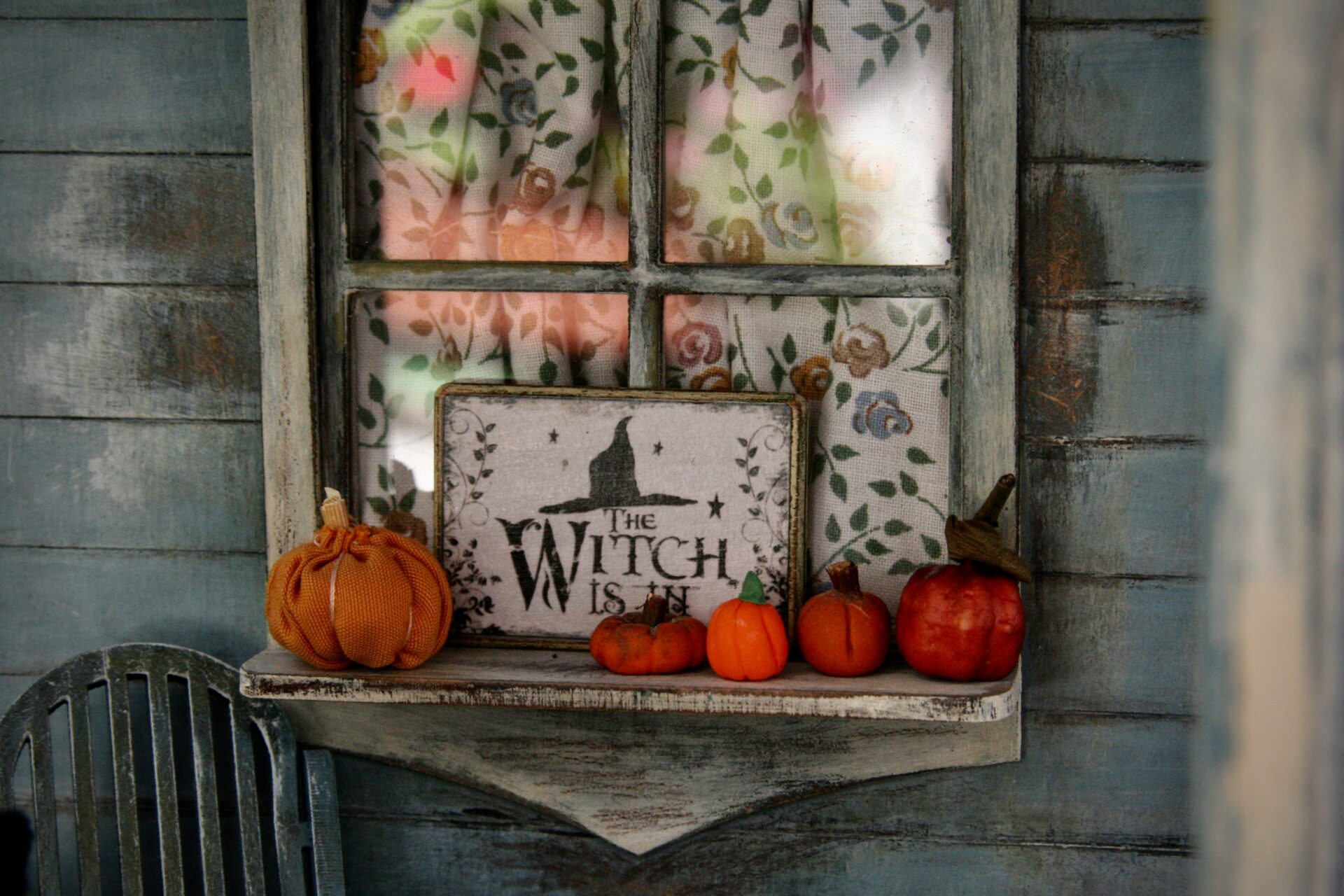
At this time of the year, shops are filled with fake spider webs, witches’ costumes, cauldrons, rubber frogs and an assortment of ghoulish items from jelly eyeballs to skeletons, and the ever-essential candy. For many children, Halloween is associated with knocking on the doors of strangers and receiving sugary sweets. This ancient festival has become known as a time to ignite people’s fears about the Underworld.
Halloween, however, was traditionally a festival which honoured the wise grandmother, otherwise known as The Crone. The Goddess is honoured by her three aspects: maiden, mother, grandmother. At Samhain (All Hallow’s Eve) it is the Grandmother (Crone) who takes centre stage as she asks that we use this time to look back over the year and go inwards to learn what will make us a better person in the coming year. It is a time of reflection, transformation and renewal. As Samhain, Festival of the Wise Grandmother, befits the season of Autumn, it is a time to let go and release anything that does not serve us.
An altar for my ancestors
What was beautiful and symbolic of the great feminine, such as the Crone’s cauldron representing the womb of the Great Goddess, has been bastardised into ‘evil witches on broomsticks casting dangerous spells’. In Britain, the tradition of children trick or treating originated with asking for donations to help the poor. In Celtic tradition, Hallow’s Eve (renamed as Halloween by the Christian Church) is the time which signifies the end of Summer (Samhain; pronounced sow en). For Celts, this is the beginning of the New Year.
The Saxons called it Winter’s Eve. The ancestors were honoured at this time of year, and it was believed by many cultures that the ‘veil’ between this world and the next was thinnest and therefore an ideal time for communication between the living and the dead. This is certainly my experience.
How can we teach our children to celebrate this tradition in a way which is symbolically rich and meaningful beyond the commercialisation of modern-day Halloween? There are many ways, such as making a special meal and serving a plate for the unseen guests.
It could be gathering unneeded items from the home, such as outgrown clothes, food staples and toys, and giving them to charity (the cycle of Scorpio is a perfect time for letting go).
Making a small altar with photos of your ancestors, and lighting a candle, allows you to create a focal piece in your home. In our family, rather than carve scary faces into pumpkins, we have traditionally cut love hearts so that the light of love shines from our windows. I taught my children, when they were young, the origins of the carved pumpkin: Irish immigrants used turnips, and introduced this idea in the USA in the 18th century.
The Law of Attraction is clear: we become what we focus on. Do we teach our children about fear and negative energies, or do we demonstrate love, and that death is a doorway to another world; and that there is nothing to be frightened of? We can educate our children (and friends) about the history of Halloween, and how it began more than 2,000 years ago as a way of honouring the Crone as well as the end of the harvest season. Her archetype, after all, is that of: you shall reap what you sow. She asks us, our wise grandmother, to take responsibility for our actions.
A Samhain Altar
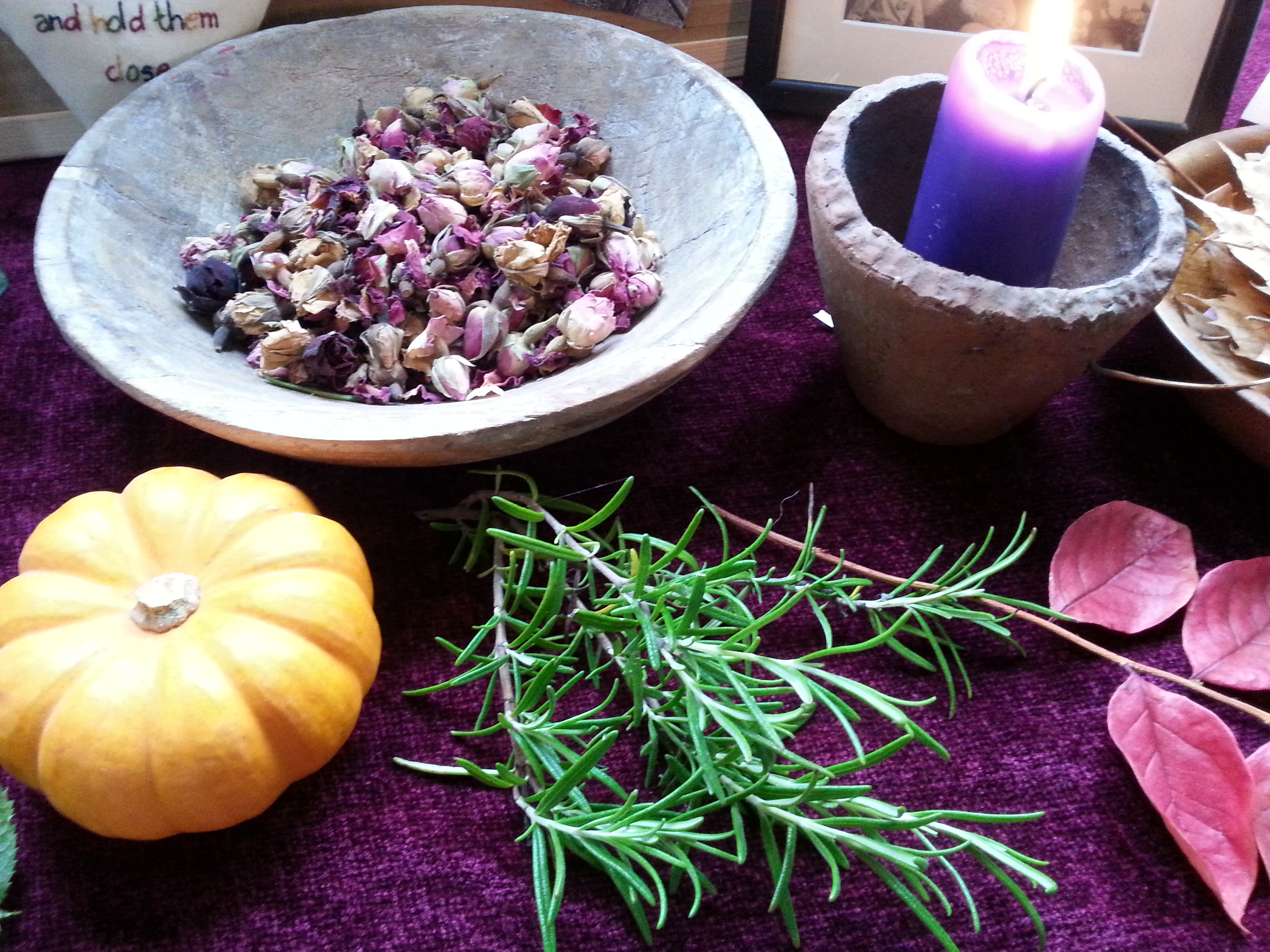
There are countless ways to celebrate Samhain in your home. Beginning with a simple altar is a great way to start. Use colours and symbols of the harvest season, such as orange and black. Those of us who celebrate earth-based spirituality use black because it represents the cape of the Wise Crone, and the waning Moon. It is symbolic of the dark Earth―the underworld; a type of womb―in which seeds will gestate during the long dark Winter.
We make full use of harvest foods and plants, such as apples, acorns, rosehips, pumpkins, corn, pomegranates and marigolds. On the altar you may find beeswax candles, a cauldron, and Autumn leaves. Mugs may be filled with apple cider or warm honey mead.
On your altar, you can add photos or heirlooms of your ancestors, and invite them to meet you at the veil. Of course, in some homes the ancestor altar is on display all year round.
Sharing the Feast
When creating your Samhain feast, include a place for your ancestors and ancestresses. Just a spoon of food and a mouthful of beverage will suffice. It’s symbolic. Some families leave a bowl of porridge or soup by the hearth, or a candle in the window, while others place an empty chair by the woodstove. These acts are said to guide ‘hungry ghosts’ to comfort, and that humans will be blessed by their interactions with these wandering spirits. This is the perfect opportunity to teach your children about their family tree and ancestral history. If you have letters, photos or books from your ancestors, share them and talk about what they mean to your family. If you don’t have any items, you can write the names of ancestors on paper to place on your altar. To contact your ancestresses and ancestors, close your eyes and be mindful of your breathing. Use this time to ask yourself: who am I?
We are a collection of cells passed down from many, many people in the family line. We have their strengths, their weakness, and we house their failures and their dreams. The Festival of the Wise Grandmother is a time to honour the past and the present, and to consider what we are creating in our future.
I am the daughter of Angelika and Albertus,
granddaughter of Minna-Marie and Dieter, and Liselotte and Erwin.
I come from a long line of people who lived in the cold of Northern Europe: Vikings, shipbuilders, seafarers, mothers, craftsmen and musicians. I come from men and women whose names I do not know, but I do know they were: strong, pioneering, loving, creative, and held family as sacred.
Keep speaking aloud, telling your family story. If there are tales you know, verbalise them. You can ask the ancient ones to guide you on your life’s journey, and to protect you and your loved ones. If you feel you’re carrying family wounds, ask to be freed from them. If you wish to be instrumental in healing wounded archetypes in your lineage, then ask how you can experience and release these stories so that you and your descendants may find and write their own script.
Not everyone in our lineage is someone we wish to be connected to, but with love and forgiveness we can move forward, and in doing so, we free the energy of that person, too.
Use this time to think about your life, and what transformations you’ve undergone. You might choose to meditate, use runes, or practise divination with tarot cards. Perhaps you’ll write down your dreams, or take a solitary walk in the woods and listen to the night owl beneath moonlight.
A phoenix ceremony goes hand in hand with any celebration of Samhain. Review, release and let go. That is the message from the Wise Grandmother. If you have a patio or garden where you can create an open fire (even in a cauldron or small contained pit), use this to write down old habits or negative things you wish to release from your life to release.
Be clear: Samhain and Halloween are not meant to be negative, fear-inducing or about black magic, but quite the opposite. Perhaps those who were instrumental in changing its pure meaning were afraid of the empowerment and the strength of women?
Do feel free to share your positive Samhain and Halloween experiences. Perhaps you could invite friends to take a mindful walk in woodlands near your home. You could make a journey stick, collecting seasonal items from Nature when out walking, to share the story of where you’ve been.
Costumes are a popular part of the modern- day Halloween. According to Samhain tradition, to wear a costume or mask during this time would help to distract wandering spirits from calling you to the Otherworld before your allotted time. Tradition also suggests that it was a way of absorbing the strength of the creature you were imitating. It was common, too, to make noise using hands or drums to interrupt daily human noise. This created a portal to the Otherworld which enabled spirits to make contact and whisper messages to the living.
As a family, you could visit the local cemetery (even if you have no loved ones there), and leave an offering, such as water, herbs, flowers, seeds, bulbs or gemstones.
With your family, you can offer a prayer of gratitude:
Thank you dear Earth
for all that you have given us so bountifully this season.
We open our arms to the Sacred Darkness.
Take your spicy mead or cider, and make libations to Mother Earth, as symbolic of the Wise Grandmother.
We have gathered the harvest,
and Winter is coming.
We give thanks.
If you have a Goddess symbol of the Wise Grandmother, place it on your altar. You might like to make ink art or create dreamcatchers as part of your Halloween celebrations.
At the heart of any ritual and celebration which honours the Earth and her seasons is the use of fire as a symbol. Samhain and Halloween are no different. Fire reminds us that we’re in need of light and warmth. It invites introspection as we draw nearer to the flame.
Make a Samhain wreath using grain stalks, nuts, apples, leaves, conkers and rosehips, and place it on your front door.
Ensure your garden is tidy before All Hallow’s Eve so that it may rest peacefully for the Winter.
Honour the darkness by lighting candles, or celebrating with a bonfire. The light of fire is enhanced by the sheer darkness of night. The light reminds us that there is life in the Underworld.
Press flowers in old books.
Plant bulbs. As you bury them in the dark, moist and fertile womb of Mother Earth, offer a prayer to the Goddess of the Underground. Write your wishes on paper, and bury them with the bulbs.
Harvest your produce, and store well.
If you are celebrating Samhain with friends, hold hands and stand in a circle around your bonfire. Invite the ancestresses to be with you. Feel the power as each of you verbalises your connections to the Otherworld.
Wear black during Samhain to celebrate the season and all it represents.
Make spirals or hearts from seeds and nuts.
Sit outside at twilight and listen for the voices of your ancestresses in the wind.
Take a solitary walk at night time to feel the sense of the season.
Practise ecological awareness, and give back to Earth rather than using products made from crude oils or ancient sunlight.
Veronika Robinson comes from a long line of white witches (the ones they were never able to burn). She is a ceremonialist, author, celebrant trainer, and second-generation astrologer who is happiest walking in the woods or tucked up by the woodstove.
If the thinning of the veil inspires you to have a reading with her, such as an Astrology or Angelik Reading, visit here.
https://veronikarobinson.com/wp-content/uploads/2025/10/sixteen-miles-out-cY1mJX_N7Xc-unsplash.jpg15361920Veronika Sophia Robinsonhttps://veronikarobinson.com/wp-content/uploads/2025/04/Updated-logo-colour.pngVeronika Sophia Robinson2025-10-30 16:55:062025-10-30 17:02:58Festival of the Wise Grandmother And Samhain