

In many conventional fantasy traditions, magical objects are rare artefacts forged in remote fires or locked away in distant vaults. Swords, rings, and crowns carry the fate of kingdoms on their sharp edges. Within the realm of Magical Feminism, however, the extraordinary resides in the domestic, the discarded, and the everyday. Objects traditionally associated with women’s work, domestic spaces, and the home become the primary objects for supernatural power. When writing these narratives, items like handmade soaps, vintage buttons, stitched dolls, and kitchen utensils are never mere background props. They’re active participants in the story, holding memories, directing fates, and anchoring female legacy. Grounding the supernatural in mundane items allows writers to challenge traditional ideas of where power lives, elevating the everyday world into a sacred space.
Botanical Memory and the Alchemy of Craft
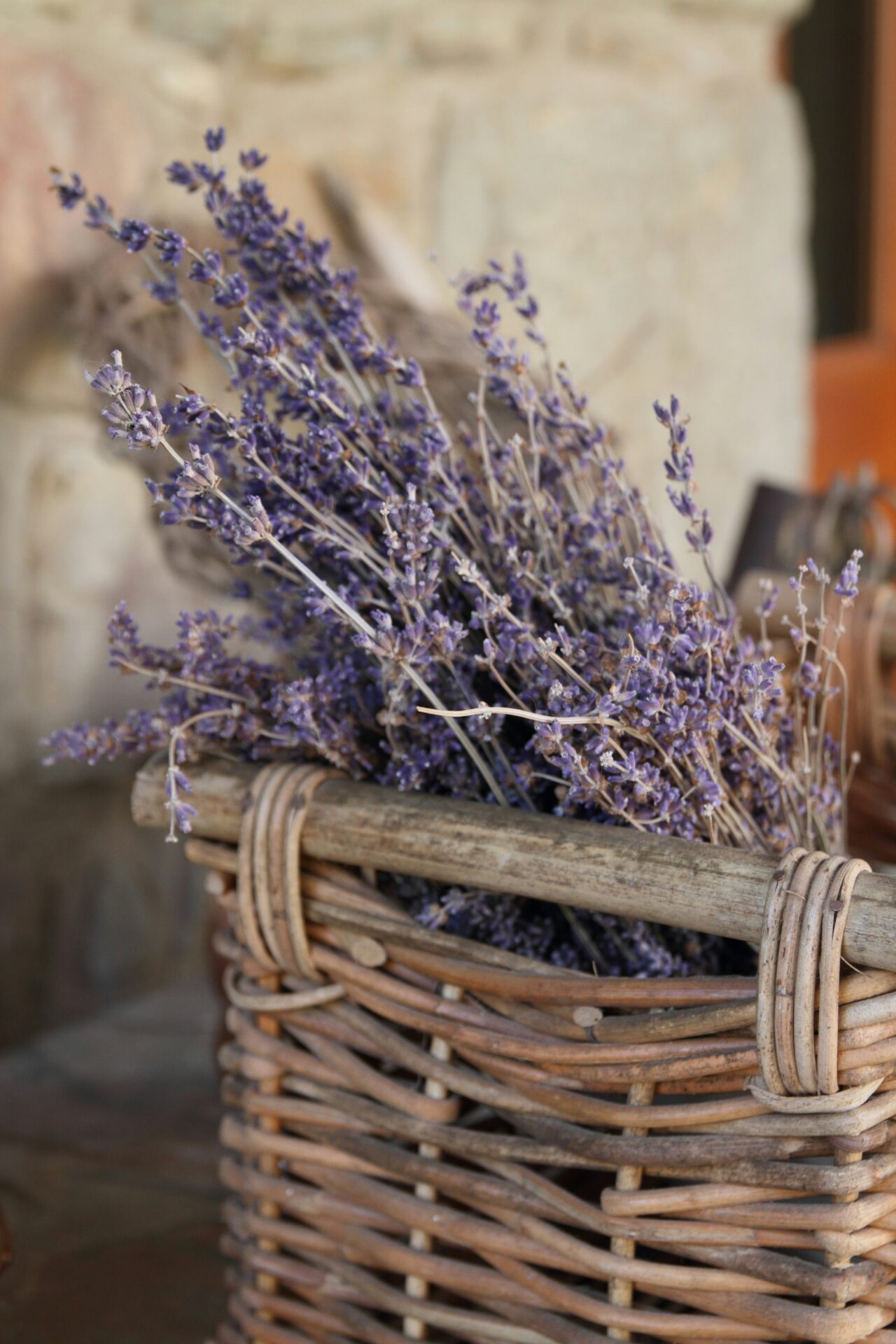
When magic is infused into items created by hand, the precise origin of the natural components becomes vital to the narrative. In stories centred on craft, such as soapmaking, the botanical ingredients carry the specific energy of the earth where they grew. They are not inert powders or fragrances. They are living archives of the soil. This is one of the reasons I enjoy bringing botanicals into my writing.
The location where a plant grows dictates the spirit of the magic it holds. Lavender harvested from an abandoned, sun-drenched cottage courtyard carries a completely different intent to lavender grown near a busy crossroads or a historic battlefield. A bar of soap infused with oils from herbs gathered along a mist-shrouded riverbank might wash away years of accumulated grief, whilst botanicals plucked from a sheer, wind-battered cliffside might instil an untamed courage in the person who uses it to bathe.
The process of blending, boiling, and curing transforms these natural elements into physical spells. The soapmaker acts as a bridge, taking the quiet magic of the earth and refining it into a tangible tool. As the soap lathers against the skin, the magic dissolves into the pores, changing the physical and emotional state of whoever touches it. Authors can lean heavily into the sensory details of this craft, describing the thick steam, the rich textures, and the vibrant colours of the oils to show that magic is a visceral, tactile reality.
The Domestic Archive: Memory in the Smallest Things
Items found within the home often serve as quiet archives of human experience. Small, overlooked possessions gather the emotional residue of the hands that held them, turning a simple container into a rich repository of history. A grandmother’s button tin is a perfect example of this phenomenon, serving as a portal to the past.
A collection of mismatched buttons, bone bobbins, threads, and brass thimbles can hold an entire family lineage within its rusty metal walls. Each item carries the exact imprint of a specific moment. A mother’s quiet anxiety whilst mending a child’s coat during a harsh Winter lingers in the groove of a bone bobbin. A daughter’s private joy whilst sewing a secret garments stays locked within the twist of a silken thread. The smooth surface of a silver thimble remembers the pressure of fingers that worked long after the candles had burned down to pools of wax.
In Magical Feminism, these items don’t remain silent. They ‘tell stories’ to those who know how to listen with their hands. When the protagonist reaches into the tin, the objects hum against her fingertips, releasing their hidden narratives. A protagonist holding an old wooden bobbin might suddenly perceive the cadence of an ancestor’s voice, or she might feel the precise gravity of a secret kept a century ago. This narrative mechanism allows characters to commune with their ancestors through physical touch, bypassing conventional historical records to access the true, unvarnished experiences of the women who came before them.

Dolls and the Unspoken Self
Dolls hold a unique, potent position in the landscape of magical objects. Created in the image of the human form, they frequently function as extensions of the soul, protective guardians, or silent witnesses to things that cannot be spoken aloud in polite society.
A dollmaker doesn’t just sew fabric. She infuses the figure with a spark of intent, breathing life into the stitches. The doll can act as a spiritual shield, absorbing the malice or danger intended for its owner, showing physical wear like cracks or stains whilst the protagonist remains unharmed. Alternatively, a doll can hold a fragment of a woman’s voice or identity when she has been forced into silence by her circumstances. In writing my novel, The Irish Dollmaker, the dolls are a portal to the past.
Because dolls are often viewed by patriarchal societies as mere playthings, childhood trinkets, or simple decorations, their power remains hidden in plain sight. 😉 This makes them exceptionally clever tools for narrative tension. They become covert vehicles of resistance, holding a potent magic that operates entirely beneath the notice of oppressors. A doll sitting quietly on a shelf might be turning the tides of a conflict, its eyes seeing far into the future whilst the men in the room ignore the doll.
The Magic of the Routine: Spoons and Mirrors
Even the most utilitarian household items carry mystical potential when used with true intent. Everyday routines become sacred rituals when handled by a protagonist who understands their inherent power, transforming the home into a place of quiet alchemy.
The simple act of preparing food or medicine becomes an extraordinary process when a wooden stirring spoon is introduced. A wooden spoon, having absorbed decades of nourishment, family history, and hearth heat, can shift the properties of whatever it touches. The spoon can infuse a simple stew with restorative healing properties, or it can cast a subtle glamour over a broth to change the thoughts of those who sit down to eat. The grain of the wood remembers every meal, every conversation shared around the stove, and every tear dropped into the pot, making it a tool of comfort and protection.

Mirrors, too, transcend their mundane purpose in this genre. Rather than reflecting physical appearance or societal expectations of beauty, a magical mirror might show the true, unvarnished state of the spirit. Perhaps it will reveal a hidden truth about the past, uncover a deception, or provide a fleeting glimpse of a parallel path that the protagonist could have taken. The mirror strips away the masks that women are forced to wear, forcing the viewer to confront her authentic self and her own wild power. My current writing project, A Change To Remember, uses mirrors to show the characters their true self.
For writers, treating these objects with reverence elevates the domestic sphere. They demonstrate that a woman’s workspace—whether it is a busy soap kitchen, a quiet sewing corner, or a roaring hearth—is a space of immense, transformative authority. By focusing on these ordinary items, you show that magic does not belong to the elite. No, no, no. Magic belongs to the hands that create, mend, and nurture.

Veronika Sophia Robinson has long lived between this world and the Other Side. She has found her true writerly home in the genre of Magical Feminism. You can find her books The Soapmaker and Grandmother’s Button Tin under the Moonlight and Motif imprint at Starflower Press (alongside her full range of multi-genre books). Look out for her upcoming titles in Magical Feminism: The Irish Dollmaker, and A Change To Remember.


Leave a Reply
Want to join the discussion?Feel free to contribute!