Posts

A singular moment occurs when the inner landscape of human experience demands a translation. In the map of the birth chart, that bridge is the Third House. Traditionally we call this the domain of communication, but to writers, journalists, and chroniclers throughout the ages, this territory belongs simply to The House of the Pen. Within this space, thoughts form their first physical structures. This house rules the ink, the paper, the keys, the early morning sentences, and the driving instinct to testify to life through language.

My own natal chart places Mars in Aquarius directly within this expressive realm. Mars is what gets me out of bed in the morning (and makes me go to bed far too late at night!).


To have Mars, the planet of fire, drive, activity and passion, sitting in the house of the pen means that writing has never been a passive pursuit. Writing lives in me as an electric necessity. Aquarius adds an independent, uncompromising and non-conformist current to this fire. This placement refuses to write what has already been said, demanding instead the pursuit of unique concepts, and what I know to be true word medicine.

Long before the pen became my primary tool, this third-house Mars found other ways to express its restless, kinetic energy. Children with planets in the third house often project their inner world onto their immediate surroundings, and the third house famously rules local transport and movement. Before learning to form letters on a page, I spent hours in the dirt, micro-managing the journeys of my Matchbox cars through hand-dug roads.


This early play

was the first iteration of narrative creation,

a physical mapping out

of stories and movement in the earth.


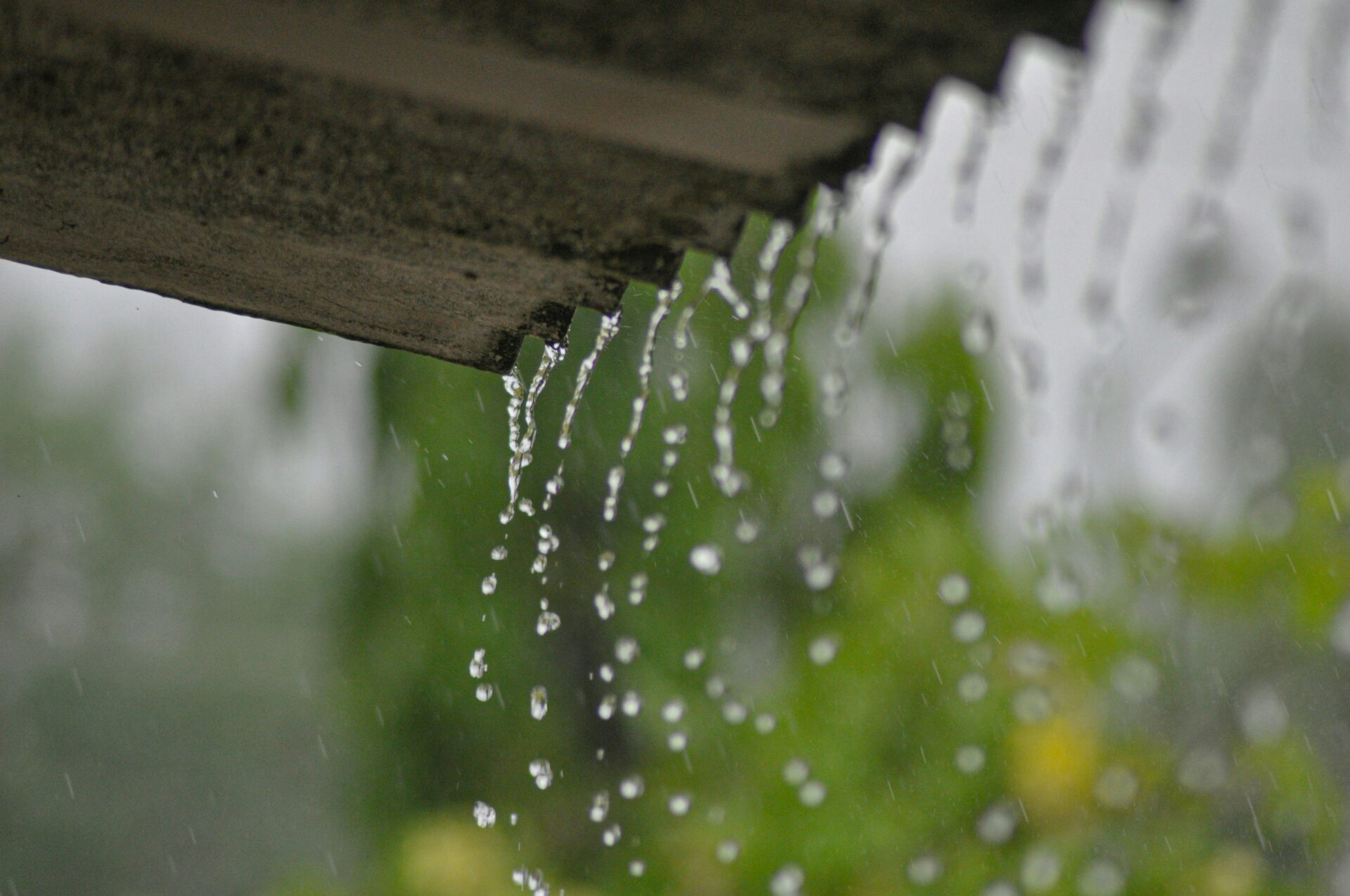
By the time I started school, that subterranean drive shifted into language, manifesting as poetry scrawled in notebooks as soon as I could hold a pencil. The Aquarius energy came out to play, too. I loved (and still do) nothing more than a good electrical storm. All that thunder and lightning excites me! (My younger daughter was born during an electrical storm – no surprise that she has Sun, Moon, Uranus [exactly conjunct] and Jupiter in Aquarius, then.)
Looking back over a lifetime spent in service to the written and spoken word, the footprint of that third-house Aquarius Mars remains clear. This placement has fuelled a multi-decade career that has shifted shapes while holding fast to its core drive. The precision of a newspaper reporter and media officer gave way to the analytical eye of a professional book reviewer and freelance journalist. Later, the writing and officiating of beautiful ceremony scripts for life’s unforgettable thresholds blended with 15 years as a magazine editor, and years as a second-generation psychological astrologer ‘reading’ the symbolism of birth charts.


To date, that ink has materialised into more than 40 published books, including recent Amazon Bestsellers. Because Mars in Aquarius is forward-looking and endlessly inventive, the wheel never stops turning. My writing room holds 20 books in various stages of drafting. The creative wealth feels vast, pouring through that communicative pipeline without a dampener.

My earliest childhood memories of this house include:

  • a desperate desire to learn how to spell words (and correcting my brother when he deliberately tried to trick me into the wrong spelling)
  • my mum sending me to the neighbours to give her ears a rest as I talked so much (I don’t these days, as the energy is channelled into writing)
  • before we moved to the countryside, standing on the pavement so I could say hello to anyone and everyone who walked by
  • standing in the roadside gutters during electrical storms so I could ‘feel the energy’
  • a bushfire razing the trees on our mountain, when I was about ten, and a deep desire to express that devastation in writing
  • I was raised in a bi-lingual home seamlessly moving from the sounds of one language to another
  • my mother was an esoteric astrologer so from the earliest age the language of astrology was part of my vocabulary
  • I’m one of eight children (the third house rules siblings). Mars here no doubt represents having five brothers (there was a lot of boy energy!)

These days, apart from my writing, Mars also represents the significant male in my life: My husband has long worked in communication, too, as a radio broadcaster, speaker, actor, voice over artist, compere, celebrant, singer, writer, ventriloquist!

For the past fourteen years, I’ve seen my Mars in Aquarius in another way, too. In 2012, my father was killed in a car accident. Not that he was driving fast, but the 17-year old driver in the other car was driving too fast for the conditions (severe violent storm). (The transit I had at the time was Uranus conjunct my natal Saturn, which squares my Sun). With a Uranian-ruled Mars in the 3rd, my father, as a significant male in my life, certainly embodied that ‘lightning’ quick energy on the road that day, and the storm.

As the edge of late October approaches, the cosmic weather changes. We stand on the precipice of Scorpio season, an ingress that activates my twelfth house, the space of the subconscious, the retreat, and the sacred cave.

Tension naturally arises between a third-house Mars that wants to write night and day, and a twelfth-house calling that demands rest, quiet, and a withdrawal from the noisy performance of modern visibility.

Power belongs to the pen even when it is time to rest. Authority is forged quietly when we take our foot off the accelerator, retreat into the sanctuary of our lived experience, and let the mastery of our words do the lifting.

As the season turns inward, so do I (even if Jupiter is about to crown my midheaven). The drafts are waiting, the ink is ready, and the cave calls. I wonder how Mars will deal with that?


If you enjoyed this post, you might also enjoy my piece on Venus in the Twelfth House: https://veronikarobinson.com/astrologers-notebook-venus-in-the-twelfth-house/

Author and Astrologer Veronika Robinson

Veronika Robinson is an astrologer and the author of more than 40 books, including Amazon bestsellers, across fiction and non-fiction. Her extensive multi-decade career in the world of words spans work as a newspaper reporter, magazine editor, professional book reviewer, and freelance journalist.

As a master ceremonialist in her 32nd year of lived celebrancy, she co-tutors at Heart-led Celebrants, which provides world-class, bespoke celebrant training and vocal coaching for independent celebrants worldwide. Veronika holds a Master’s Degree in Creative Writing from the University of Cumbria and is the founder of Starflower Press, a boutique publishing house.

She writes, teaches, edits and mentors from her cottage in the beautiful Cumbrian countryside. Find out more about her books, editorial services, and astrology sessions at veronikarobinson.com

There is a unique vulnerability in releasing a new book into the world. You send your words out from the writing desk, hoping they find their way to the ears and hearts of those who need them most. My heart is full of gratitude as I share that Write That Wedding Script: A Masterclass in Crafting Ceremonies has officially become an Amazon Bestseller!


When I began writing this guide, my aim was to provide a deeper exploration of our craft for the wedding-celebrant community. Having spent over thirty years officiating international weddings, I’ve learned that a ceremony is a living piece of art. Being a celebrant requires us to step into our role as original wordsmiths, infusing soul and intention into every syllable.

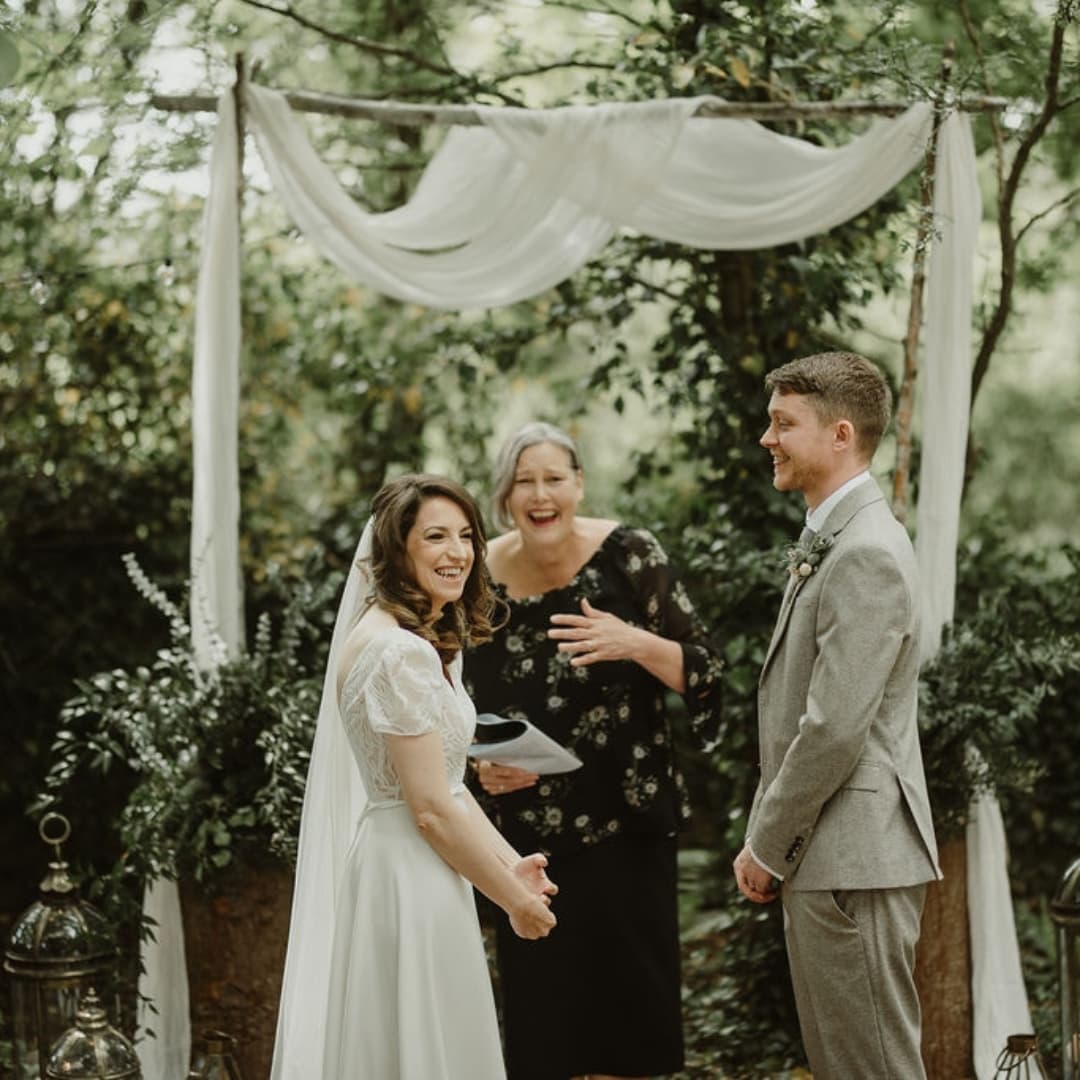
Sarah and Ned’s beautiful wedding at New House Farm, Cumbria

To see this book resonate so quickly tells me that celebrants, officiants, and independent writers are ready to push past comfortable boundaries and explore the true power of language.

Honouring the Voice of the Celebrant
Whether you’re an established professional wedding celebrant, a celebrant in training, or a family member chosen to speak for a loved one, Write That Wedding Script was created to unlock your innate creative power.

This guide is an invitation to write with bravery and presence. As a masterclass, it will help you:

Deconstruct expected structures to capture the authentic, living rhythm of a couple.

Refine your wordsmithing skills, choosing language that carries emotional resonance.

Step confidently into diverse spaces, whether creating earth-centric rituals, spiritual blessings, or humanist celebrations.


Emily and Ben’s gorgeous woodland wedding at Low Hall The Lakes.

The Convergence of Three Journeys
This milestone carries an extra layer of joy because it marks a trilogy of chart-topping successes this season. I’ve always viewed my writing as a form of word medicine, a way to uncover the hidden shimmer of the human soul. Whether I’m writing magical feminism fiction or practical non-fiction, the root intention remains the same.

Write That Wedding Script now sits on the bestseller list alongside two other recent works that are incredibly close to my heart:

Under The Starflower: A Book of Blessings: A multi-faith collection of original spoken-word blessings written to offer comfort and a healing balm during end-of-life ceremonies.


Little Black Apples: A Whimsical Witch’s Wisdom for Creating a Beautiful Life Through Dark Storms and Wild Healing: A non-fiction guide that uses earthy, botanical metaphors to support women walking through their own cycles of transformation.

Thank You to My Artists

Thank you to my artists: Sarah Esau, Philippa Mulvany and Laura Whalen.

Thank You to My Readers
To everyone who has ordered a copy, left a thoughtful review, or shared these titles within your own circles, thank you. Your support allows me to keep creating independent work from a place of truth and purpose.

If you want to explore these pages for yourself, signed copies of all three books are available through Starflower Press.

Here’s to the magic of the written word, and to the stories we choose to tell.

With love and gratitude,
Veronika Sophia Robinson
Author, Novelist, Celebrant and Celebrant Trainer, and Founder of Starflower Press


What a wild, magical, and deeply humbling few days it has been.

Just 48 hours ago, my newest book, Little Black Apples: A Whimsical Witch’s Wisdom for Creating a Beautiful Life Through Dark Storms and Wild Healing, stepped out into the world. Or should I say that little witch zoomed off on her purple tricycle? I always hold my breath a little when a new creation leaves the quiet sanctuary of my desk. You hope it finds the hearts that need it, but you can never truly predict the path it will take.


Well, the Universe answered loudly this weekend. Thanks to an incredible outpouring of love, Little Black Apples flew straight into the Amazon Top 50, hitting #41 in Emotions Self-Help and #62 in Spiritual Self-Help! A whopping five thousand books a day are published on Amazon.

To top it all off, it is currently sitting at a perfect 5.0-star rating with beautiful, heartfelt reviews. To say I am grateful would be a massive understatement. My heart is absolutely overflowing.


The Story Behind the Apples
If you’ve been following my writing journey, you know that I don’t shy away from the darker seasons of life. Little Black Apples is a book born from the storms. It’s a non-fiction, self-help guide written specifically for women who are navigating their own wild terrain of healing, trauma recovery, and self-discovery.

But it isn’t just words. To bring the magic fully to life, the book features whimsical, vibrant full-colour illustrations throughout, creating a visual sanctuary where art and word medicine meet. This is a reminder that even when the storms strip us bare, there is an earthy wisdom waiting to be gathered from the dark.

One reviewer said: “The illustrations are beautifully hand crafted and inspire calm, curiosity and an interesting sense of safety. They really match the content of each chapter. I am a psychotherapist and I will definitely recommend this book to my clients.”


A Community of Magic
Hitting a bestseller list is lovely, but what matters infinitely more to me is why it hit those charts. It happened because of you.

In a world where algorithms dominate, this success belongs entirely to the community of women, seekers, and soulful readers who picked up a copy, shared it with a friend, or took the time to leave a beautiful review on launch day. You proved that there is a deep hunger for intuitive, Nature-based wisdom and authentic emotional healing.


If you haven’t stepped into the world of Little Black Apples yet, it is officially available now in print and Kindle formats. Signed copies from Starflower Press.

Thank you, from the bottom of my heart, for walking this path with me, for celebrating the milestones, and for finding the sweetness in the shadow.

With love and wild blessings,

Veronika x


Welcome to my Autumn newsletter.

Whether you’re here because you came across my work many, many years ago, back when I published The Mother magazine, hosted family camps, and home-educated our girls, or from my days editing The Celebrant magazine, or because you’ve been to one of my workshops, or heard me speak at a conference, or I’ve officiated a ceremony for you, or you’ve had an astrology reading with me, saw a post on social media, or perhaps trained with me as a celebrant, or maybe you read my books, you’re most welcome here.

This post is a seasonal catch-up about my writerly life. Thank you for being here. May your Autumn (or Spring, to those Down Under!) bring you colour, creativity and comfort. Veronika x

The Dark Months: A Writer’s Creative Incubator

No doubt one of the main reasons I have a moment to write this newsletter is because it’s no longer balmy weather. I’m such a 35C-in-the-sunshine sort of girl, but the longer I live in England, the more I get used to the dark of each year. I’m now in my 27th year of living here, so I should be an expert. I’m not!


What I do love about the darker months, though, is that more than anything, it’s dedicated writing time. Of course, I write year-round, especially in my work as a celebrant. The big difference is that at this time of the year I’m not sidetracked by basking in sunshine or pottering in the garden. During the warmer months, I spend a lot of my writing time under the porch. It’s my favourite place to pass away the hours.


As storm season approaches, I’ll be tucked up by the crackling wood stove. This Autumn and Winter, I intend to finish writing two novels, both in the genre of magical feminism. (I’ve been writing a series of blogs on the topic of magical feminism if you want to learn more about the genre: https://veronikarobinson.com/blog/) One of the books is The Irish Dollmaker, which is a critique of the systemic abuse in the Irish Mother and Baby Homes. I can tell you, that it’s been quite the challenge balancing the heaviness of the topic, including factual accuracy, alongside lighter elements of the story. I’m getting there, though!


The other book, A Change To Remember, actually started off as non-fiction about the impact of menopause on marriage (or is that the impact of marriage on menopause ha-ha!). This manuscript was a psycho-biological spiritual reflection on menopause. And then, lo and behold, one day I woke up and thought, “No, no, no, no, missy, you’re not destined to be non-fiction. You’re a novel!” I could almost feel my shoulders drop with relief. I can’t tell you why, other than something feels right about taking it in a fiction direction. I’m excited to finish this novel now. There are several interesting characters in the story who are all going through their own version of ‘the change’.

If I manage to finish those two before Spring (once it’s warm again, I want to be outside pottering in the garden!), I’ll have some time to start writing my next novel: Daughters of the Ancient Bloom. This is set here in the Eden Valley, Cumbria, and is a critique of society’s surveillance of women’s bodies, primarily their wombs. I’ve pencilled out the draft, and so all that remains is some undisturbed writing time to get all those thoughts and storylines in one place.

My books have a naughty habit of choosing their own timelines. I like to think I’m in charge and know the chronology of writing and publication, but I’ve been caught out several times by an incoming book dominating everything. Honestly, they can be so darned bossy! “Me, me, me! I’m your favourite. Choose me NOW!” Think of it like an ‘unplanned’ baby. Although that’s a whole other topic, because I don’t believe any baby is unplanned/an accident. I believe books already exist, fully formed, somewhere (who knows where) and my job (any author’s job) is simply to take dictation.

As a working celebrant, when I’m called to officiate a funeral I pretty much have to drop everything I’m working on so that I can make arrangements to visit the bereaved, spend a couple of hours with them, come home and write the ceremony, spend hours rehearsing the approved script, and officiate. Some weeks are busier than others, but it can make my writerly life (in relation to books) a bit all over the place.

By nature, I’m disciplined and can be quite prolific when left on my own. 🙂

Wanted: Advanced Readers and Reviewers

Thank you to those who’ve already reviewed some of my books or are currently reviewing one. If you’re interested in reviewing any of my upcoming titles, simply drop me an email and let me know your genre preference.

There’s a full list of my books, arranged by genre, at the end of this newsletter to give you a sense of what I write. (veronikarobinson@hotmail.com).

Amazon Bestseller in Three Categories

Despite having published over forty books (a handful of celebrant-training books are not for public distribution; and my first two books [an anthology of verse, and a history of the RSPCA in New Zealand] from the early 90s are out of print), to my great surprise one of my titles recently became an Amazon Bestseller in three categories.

Under The Starflower: A Book of Blessings – Word Medicine for Cremations, Traditional and Woodland Burials, Interments, and Grieving Hearts is a collection of original verses for use by bereavement celebrants, and for those needing comfort during their time of grief. This anthology has been beautiful illustrated by Philippa Mulvany.


2026 Starflower Press Publications

There are countless benefits to being an indie author and publisher. Two of those are:

1.) no two-year waiting list for a publication date

2.) full creative authority over your work.

Here’s what I’ve published (and will publish) this year through my publishing house, Starflower Press.  www.starflowerpress.com is where you can order signed copies.


Write That Love Story: A Wedding Celebrant’s Guide To Creating Compelling Narrative   Kindle and pbk

Grandmother’s Button Tin (magical feminism novel) Kindle and pbk

Under The Starflower: A Book of Blessings – Word Medicine for Cremations, Traditional and Woodland Burials, Interments, and Grieving Hearts  Kindle and pbk

Measure Your Life By Creativity: The Five Elements of Everyday Inspiration (Kindle only)

Little Black Apples: A Whimsical Witch’s Wisdom for Creating a Beautiful Life Through Dark Storms and Wild Healing (publishing this week!) A non-fiction women’s book with full colour illustrations by Laura Whalen. Kindle and pbk

Write That Wedding Script: A Masterclass in Crafting Ceremonies (publishing September)

Starflowers at Sunset. This is a companion volume to Under The Starflower. Prose pieces for bereavement. (publishing December) Kindle and pbk


Choosing Publication Dates

While Write That Love Story was timed to coincide with St. Valentine’s Day, most of my books’ publication dates are astrologically themed. They might even have a bit of literary magic thrown in, too.

For example:

Little Black Apples is publishing under the Witch-Apple Moon (New Moon Virgo, September 2026)

Measure Your Creativity was published under the Cosmic Inkwell Moon.

Under The Starflower was published on August 25th (my husband’s and granddaughter’s birthday, and my maternal grandmother was born on the 26th)

Write That Wedding Script is being published on the Hearts-in-Balance Equinox (Sept. 26)

Starflowers at Sunset is publishing on the Silver-dew Solstice (December 2026)


Grandmother’s Button Tin featured on The Book Rex

To my delight, my novel Grandmother’s Button Tin has been featured this week on The Book Rex.

If you’re not familiar with The Book Rex, it’s a wonderful, dedicated platform that helps readers discover books based on the exact moods, tropes, and subgenres they’re craving. As an indie author, finding platforms that genuinely champion unique stories is a breath of fresh air.


And finally, in case you’re new here, here’s a current list of my publicly available titles. Happy reading!


Non-Fiction Books

The Celebrant Collection

Write That Eulogy

Write That Love Story

Write That Wedding Script

Funerals for Children

Under The Starflower: A Book of Blessings. Word Medicine for Cremations, Traditional and Woodland Burials, Interments, and Grieving Hearts.

Funeral Celebrant Ceremony Planner

Wedding Celebrant Ceremony Planner

The Five Elements: A celebrant’s guide to creating beautiful ceremonies and rituals

The Discrimination-free Celebrant

The Successful Celebrant

Starflower Parenting

The Birthkeepers: Reclaiming an Ancient Tradition

Life Without School: The Quiet Revolution

The Drinks Are On Me: Everything your mother never told you about breastfeeding
Stretch Marks (Selected articles from The Mother magazine)

The Nurtured Family

Baby Names Inspired by Mother Nature

The Blessingway: Creating a beautiful Blessingway ceremony


Driftwood Bay Books (imprint)

Little Black Apples: A Whimsical Witch’s Wisdom For Creating a Beautiful Life Through Dark Storms and Wild Healing (Illustrated women’s book)

Measure Your Creativity: The Five Elements of Inspiration for Everyday Living


Health and Wellbeing

Cycle to the Moon: Celebrating the Menstrual Trinity

Healing from Adrenal Fatigue

I Create My Day: Simple Ways to Create a Beautiful and Nourishing Life


The Mystic Cookfire: The Sacred Art of Creating Food for Friends and Family

Love From My Kitchen: Gluten-free Vegan Recipes From The Heart

Fiction Books

Moonlight and Motif (magical feminism imprint)

The Soapmaker (magical feminism novel)

Grandmother’s Button Tin (magical feminism novel)


Starflower Press Stories

Sisters of the Silver Moon (Book One, The Gypsy Moon Trilogy)

Behind Closed Doors (Book Two, The Gypsy Moon Trilogy)

Flowers in Her Hair (Book Three, The Gypsy Moon Trilogy)

Mosaic

Bluey’s Café

Sweet Cinnamon Romances

Contemporary romance novels, cosy with medium spice 😉 


Love At The Treble Clef Café

Love In A Scottish Storm

On The Wings of Love

Recipe for Love

House of Hearts


Purple Tricycle

(children’s imprint)

Forever in Blue Jeans (Illustrated children’s book)


Fields of Lavender (poetry) and The Compassionate Years are out of print.

You can find my books on Amazon and other online retailers, as well as good bricks-and-mortar bookshops and libraries around the world. Signed copies from Starflower Press. (Postage to UK addresses only) Happy reading!


Do You Have A Moment?

As an indie author and publisher, it would be a beautiful gift if you would be kind enough to leave a review, whether on Amazon, Good Reads, or elsewhere. Thank you.


Welcome to my dictionary of the soul, where I inhabit the quiet, beautiful words that shape my everyday world. Read more

The Soapmaker is a magical feminism novel with the theme of experiencing place.


This is the reflective essay (a mix of person reflection and academic research) that I submitted with my portfolio for module two of my Master’s Degree in Creative Writing in 2020 (University of Cumbria). The topic of the module was: Experiencing Place. © Veronika Robinson


I have explored this module through extensive reading, podcasts, interviews, weekly writing exercises, and culminating in my creative project: a novel, The Soapmaker. My reflections about the novel cover three main points: creating place, being out of place, and point of view in relation to place.


The idea for The Soapmaker came from breathing in the exquisite scent of handmade lavender and geranium soap; my sense of smell was keenly activated before I wrote a single word and it took me to a place I wanted to write about, and one my target readership would enjoy. Amanda Curtin, Five Things: Creating a Sense of Place, writes “Most writers fall very naturally into visual description, but the other senses have as much, perhaps more, potential to engage a reader’s sense of being there.”

My first decision was where to set the story. It would have been easy to set it in my native Australia, so I challenged myself to place it here in Cumbria. Although I appreciate the beauty of this county, it still isn’t home to me after twenty-one years. I decided to make my character, Grace, an immigrant like me. It would also mean, due to her use of plants in the soap, we’d both have to learn about Cumbrian flora. As a result, I have connection to this place in a new way.


Grace moves from an easy going way of life in warm Australia to cold and conservative (meteorologically, culturally and politically) Cumbria. This is an excellent example of my relationship between place and the written word. Cumbria has been a difficult place for me to settle in for the above reasons.

For the first five drafts, Grace was from Alaska. Although I felt that I’d researched the location well, upon discussion with my tutor about the intended learning outcomes, I changed it to Australia. The storyline didn’t change too much but her experience (and my writing) of place most certainly did. Naturally, readers will have a completely different experience of place when reading about the heat of Australia compared to the frigidity of the Alaskan climate.
Milford A. Jeremiah, The Use of Place in Writing and Literature, quotes William Zinsser: “Every human event happens somewhere, and the reader wants to know what that ‘somewhere’ is like.” The opening page starts with the soap’s place in the vat, and in the soapmaking studio where they are made, and place in the world.

As part of my research into soapmaking, I followed two botanical soapmakers on Instagram , to learn more about their work through beautiful photos. I found the imagery seductive, and I felt at home in their studios. This was something I wished to recreate through my written word. I had lengthy discussions with Lynda Cook Sawyer from Nevada Moon about the soapmaking method and process, the procuring of plants, and relevant terminology. This, and the images, shaped the sense of place I created for Grace’s soapmaking studio.


Other people’s philosophies and ideas influenced my writing, such as the podcast from week one of this module. This had a huge influence on me, and shaped the storyline. The topic, Out of the Garden, was an exploration of the Garden of Eden, the Fall, and our desire to have paradise on Earth. Although scholars argue that the fruit Eve offered Adam wasn’t an apple, it remains so in the cultural psyche. My response to this was to include references to apples in the novel. The element of the forbidden fruit is also shown in the emerging relationship between Grace and Caleb. The Fall, as expulsion from Paradise, inspired my choice for the character’s name, Grace. Biblically, eating the forbidden fruit meant falling from grace. The novel is about falling for Grace. Caleb has to choose between everything he’s ever known for a new land: an unknown place.

Introducing a Jehovah’s Witness allowed me to explore both place and being out of place. Many people think of Jehovah’s Witnesses as simply another Christian religion when it is, by definition, a cult. , I engaged in extensive research about the organisation through reading books, online forums, and conversations with a number of friends who were all once active Jehovah’s Witnesses.

Curtin writes, “Before you can create a sense of place on the page, you need to immerse yourself in the world you’re writing about so that it comes alive for you.” The places I’ve written about were augmented through further reading, research and imagination. “If you have direct experience of a place, or somewhere similar, you have a well of impressions to draw on.” I have long enjoyed the feeling of being in natural light, so a large conservatory was an appropriate setting in which to make Grace’s Cumbrian soapmaking studio. I knew, from my experience of place, that she would be missing the light from Australia enormously. As I wrote, I could feel the light coming in, and the view into the garden. I could hear the woodpecker in her garden as readily as I hear the one in my own.


When illustrating ways to create place, Curtin writes: “I’m strongly influenced by skyscapes, and there are many ways the sky can be used metaphorically or imagistically in fiction—as messenger, mirror, portent, signal…” An example of this, from my novel, is found in the opening chapter: Without warning, the unbridled sunshine which had filtered in through the windows and glass roof all morning, was eclipsed by sombre clouds. Grace shivered. Something in the air had shifted. “You’re safe,” she whispered, looking around the room in case she’d missed something. Or someone. “You’re safe.”

Curtin continues: “Skies are often associated with place—for example, through colour or atmospheric elements, constellations or position of the sun.” When describing Grace’s childhood, I wrote: “As an only child, she learnt to make her own fun under the canopy of the ‘mac trees’, as she called them. They offered magical shadows on days when the clouds hung low, and glorious streams of light between leaves when the Sun was beaming bright.”
Madge’s disregard for the real place of environment is due to her belief in an imagined place: The New World, when Jehovah restores Paradise to Earth. Although Grace is incensed and finds this selfish and irresponsible, they both have the same end goal: a Utopia. On our residential for this module, I was fascinated by the differences and similarities my cohort shared about ‘what makes Utopia’. We all agreed that having shelter (a sense of place and security) was a priority.

The use of different time frames appears throughout the novel: A glimpse into Grace’s childhood; living in Australia; and Cumbria. Curtin writes “A strong sense of place helps readers to make the imaginative leap into another world, whether that world is in the past, present or future.”

Modern versions of The Fall include ‘enclosures’ and ‘gun powder’. Having been kicked out of paradise, Grace creates a new world. Milford writes “Another feature of place in literature is that it serves to activate the reader’s senses and to evoke an emotional response on the part of the readers.” As I wrote a traumatic scene for Grace, I could feel the terror of being in an enclosed space with no ability to escape, and the fear each time the gun fired.

Due to Post-traumatic Stress Syndrome, Grace is also somewhat out of place in her body and constantly vigilant for intruders or anything that’s out of place. Examples include brushing off the soap flakes off the curing rack, and dropping the compost bucket, or her response to Caleb’s reaction when he refuses the gift of soap for Madge. Again, I know that if I am out of sorts emotionally then everything in my place (home) irritates me if it is not in order.
Caleb, too, is out of place. He’s wrestling with doubts, not only as a Jehovah’s Witness, but also his marriage. If he openly questions his religion, he’ll be labelled apostate and, if disfellowshipped, will be shunned by everyone in his community. He’s been brainwashed since birth, and realising that there is no Armageddon or New World means that he will grow older and die. He straddles a fine line between the psychological places of breakdown and breakthrough. Grace becomes his place to rest. This sanctuary (emotionally, but also in her lovely, welcoming home and garden) is an imitation of Paradise. We see ‘place within place’.

Dystopia is feared due to the belief in the place of Armageddon. At the time of writing, many Jehovah’s Witnesses around the world believe Covid-19 is the start of the much-awaited and prophesied Armageddon, the precursor to the perfect New World.

Grace fears living in climate-change dystopia if we don’t act urgently.


I deliberately chose different points of view to experience place: Grace in her soapmaking studio, the kitchen, garden, the road to the village.


I have also written about the natural habitat of dragonflies, and the connection Grace makes to her inner landscape; as well as their first beachcombing experience on a Cumbrian beach.

Through flashback, another indicator of time and place, we are at The Channon markets; the Macadamia Nut Grove; the seaside town of Byron Bay; inside the police car and police station.

Through Caleb’s view, we’re in his bedroom, and shower. As he’s driving to the Kingdom Hall, the radio announcer says “BBC Radio Cumbria”. Milford states that “In the literary world, place is usually combined with time and events to establish what is known as the social setting or the social context of a literary work.”

Madge has several experiences of place: home, the garden shed, car, and Carlisle city centre. I had planned to write about the Extinction Rebellion rally from Grace’s point of view, and it certainly would have given me more freedom but I chose it from Madge’s point of view to illustrate being out of place.

There are the imagined places of Armageddon and the New World; as well as the place of one in their own skin; and the emotional and psychological realities of one’s place in relationship.

Curtin writes “Before you can create a sense of place on the page, you need to immerse yourself in the world you’re writing about so that it comes alive for you.” My writerly self has felt alive in each of the (real) places I’ve explored.
Philip Hensher, writing on The Importance of Place in Fiction, “A novel has to place the psychologies of individuals in a delicate relationship with the world that formed them.“ For my purposes as a writer, this included the soap. By nature of the novel’s genre: magical feminism (a sub genre of magical realism), the soap, too, has a voice. The Seaweed, Spice Orange and Cedar soap is explored through three different points of view, and therefore, place: the soap itself; memory flashbacks of when and where the ingredients were gathered (oranges hanging from trees in sunny Spain; cedar from high in the mountains; and seaweed from the ocean); and when Caleb’s showering. Right from the start, the soap’s place in this world is noted.

Based on feedback, I have made significant changes in the writing of drafts so that the descriptive text was broken up in various ways through flashback, dialogue, changes of point of view. I can see the value of this now that I’m at draft seven.


Having lived in six countries within the span of six years, and as a new mother (with daughters born just 22 months apart) living in three countries within just seven months, my experience of place, and being out of place, readily forms my writing practice. This module helped me make sense of my conflicting needs: to settle, and to move on. I am an Australian born to German immigrants. My New Zealand-born daughters have immigrant parents, and my Welsh granddaughter has immigrant parents. This theme of being uprooted and transplanted continues down the family line and, indeed, in my writing.

The Soapmaker serves as contemporary nature writing as it highlights the urgency of climate change through references to ecology, environmental issues, fair-trade products, composting and recycling, the ‘Make it, Bake it, Grow it’ movement, and the Extinction Rebellion.

These weeks of lockdown due to Covid-19 have highlighted that the experience of place is the foundation for all aspects of my life and writing, and I remain grateful to live rurally with a lovely garden and mini orchard; my own paradise.


Amanda Curtin, Five Things: Creating a Sense of Place
<https://www.scottishbooktrust.com/articles/five-things-creating-a-sense-of-place>
[Accessed 10th April 2020]
Jeremiah A Milford, The Use of Place in Writing and Literature; Language Arts Journal of Michigan, Volume 16, Issue 2, Article 7 (2000) <https://doi.org/10.9707/2168-149X.1352> [accessed 9th April 2020]
Nurturing Soul (@nurturing_soul) <https://www.instagram.com/nurturing_soul> [multiple access dates]
Nevada Moon Soap Company (@nevadamoonsoap) <http://www.instagram.com/nevadamoonsoap> [multiple access dates]
Bonnie Zieman, Exiting the JW Cult: A Healing Handbook For Current and Former Jehovah’s Witnesses (North Charleston: CreateSpace Independent Publishing Platform, 2015)
Steven Hassan, Combating Cult Mind Control, Fourth Edition (Newton, MA: Freedom of Mind Press, 2018)
Curtin, Five Things
Curtin
Curtin
Curtin
Curtin
Milford
Milford
Curtin
Philip Hensher, The Importance of Place in Fiction
<https://www.theguardian.com/books/2013/may/17/philip-hensher-importance-place-fiction> [accessed 10th April 2020]